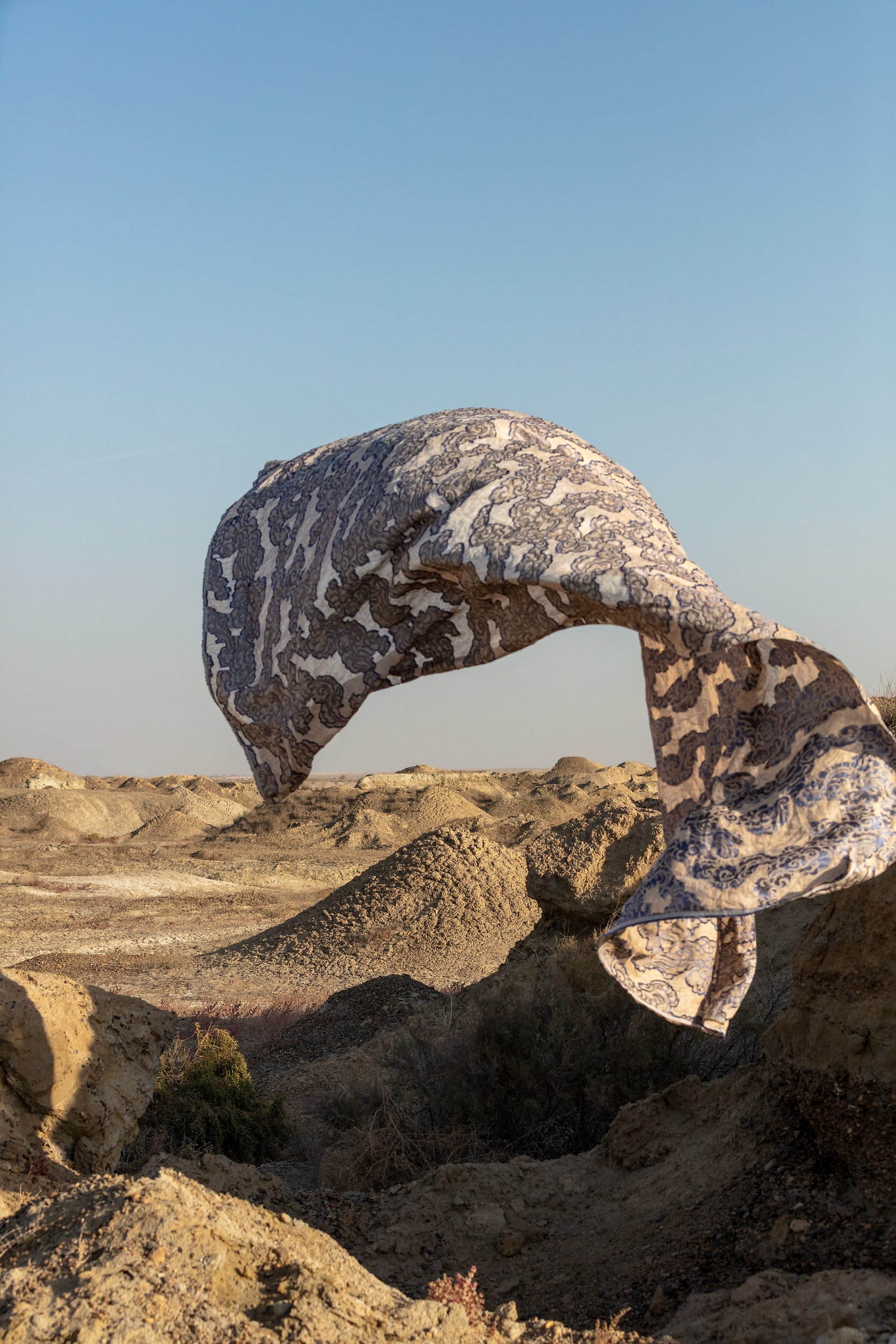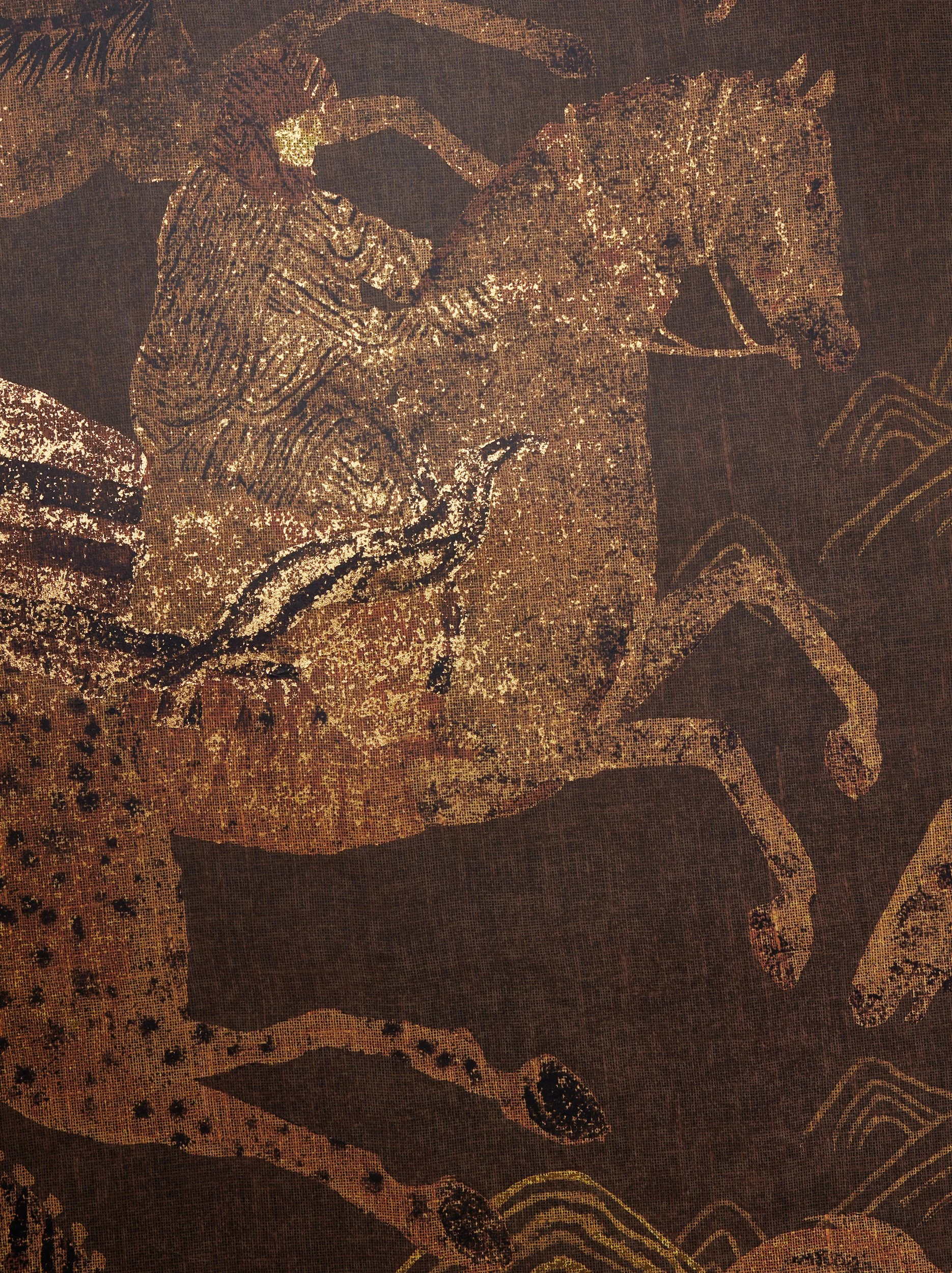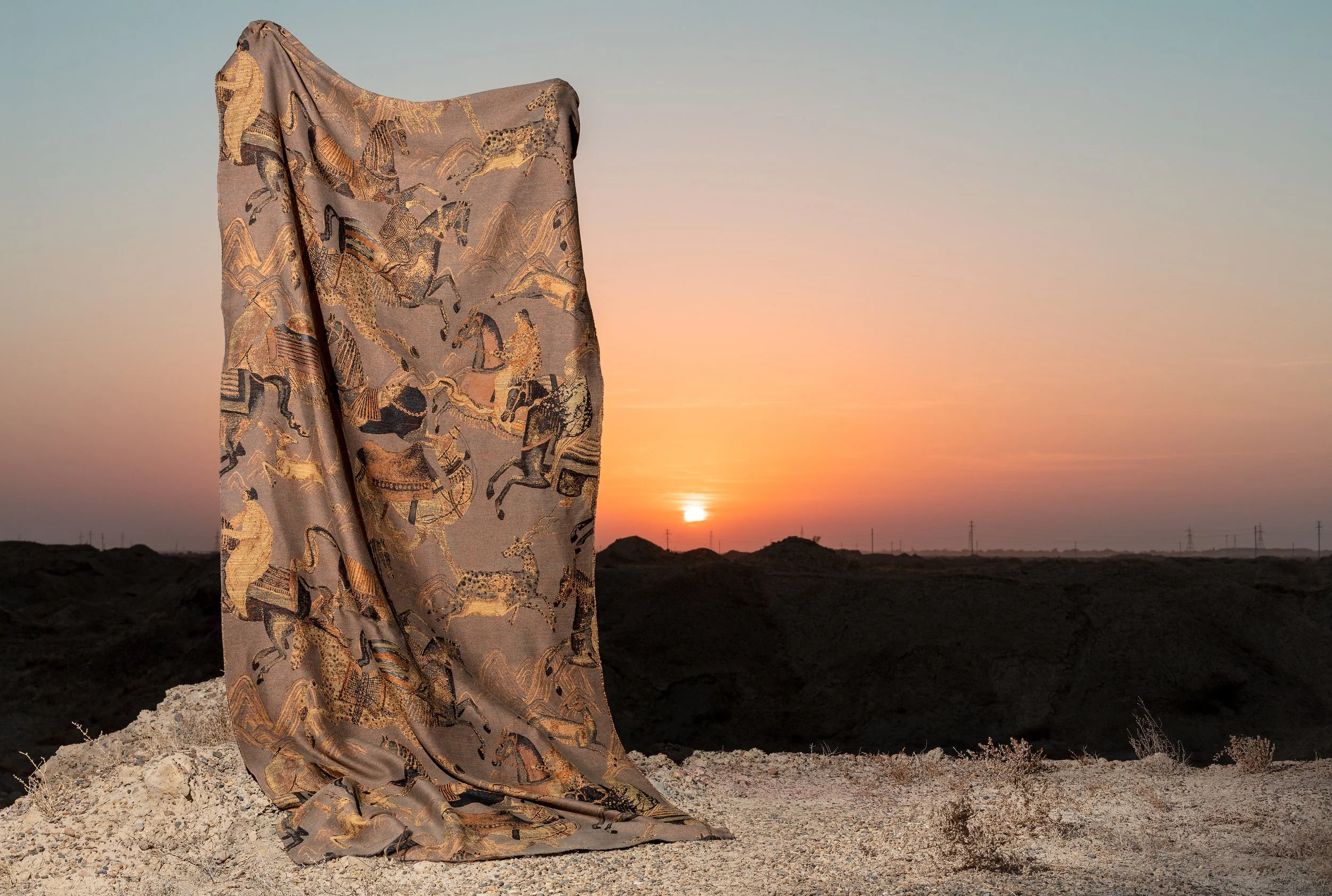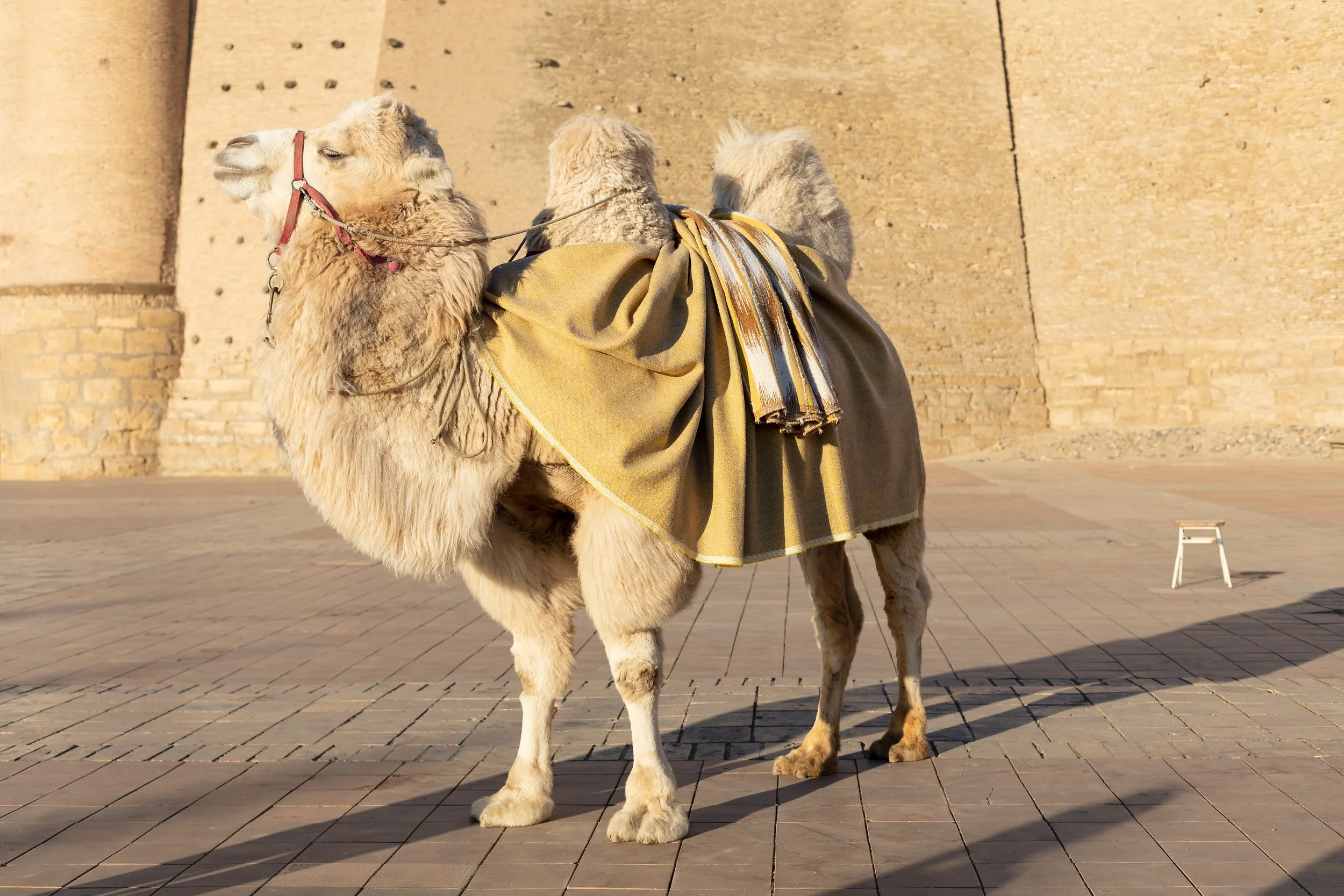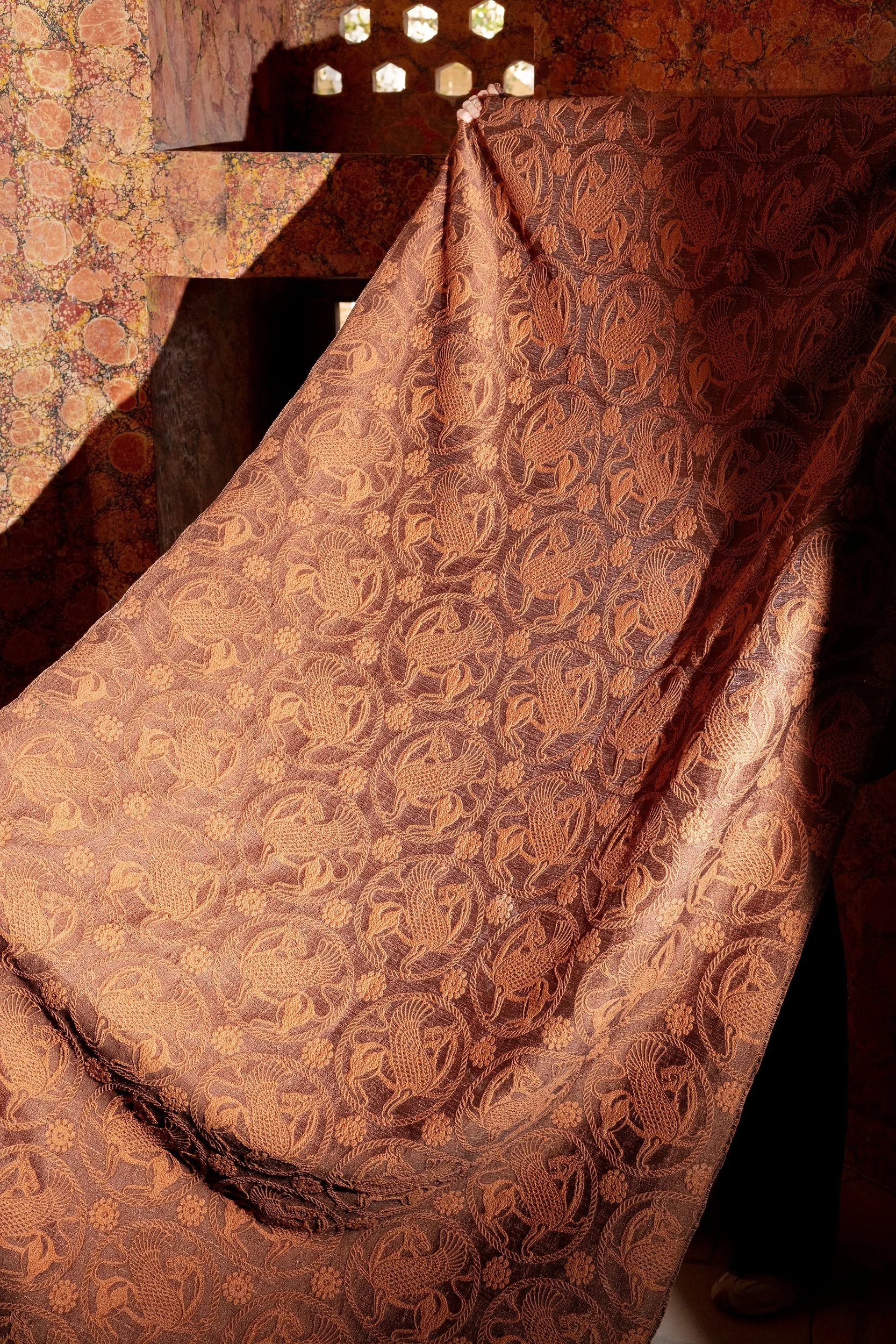
Weaving together history, imagination and craftsmanship
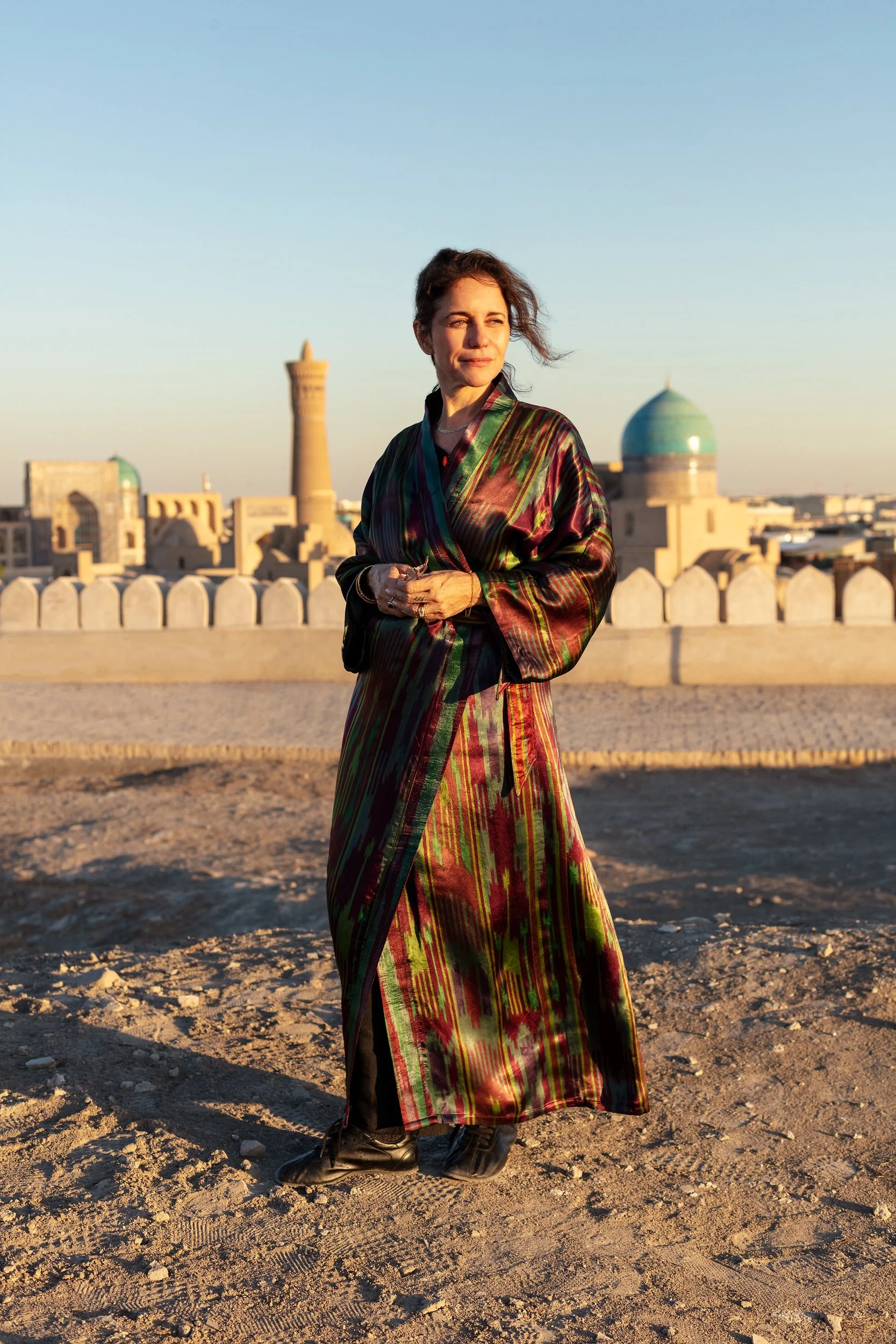
“This collection is more than a textile proposal: it is an emotional and cultural journey. It celebrates the spirit of connection that defined the Silk Road. Every thread carries the story of an era, the strength of a vision, the poetry of an encounter.”
—Camilla Douraghy Fischbacher, Creative Director, Fischbacher 1819Explore the fabrics along the Silk Road
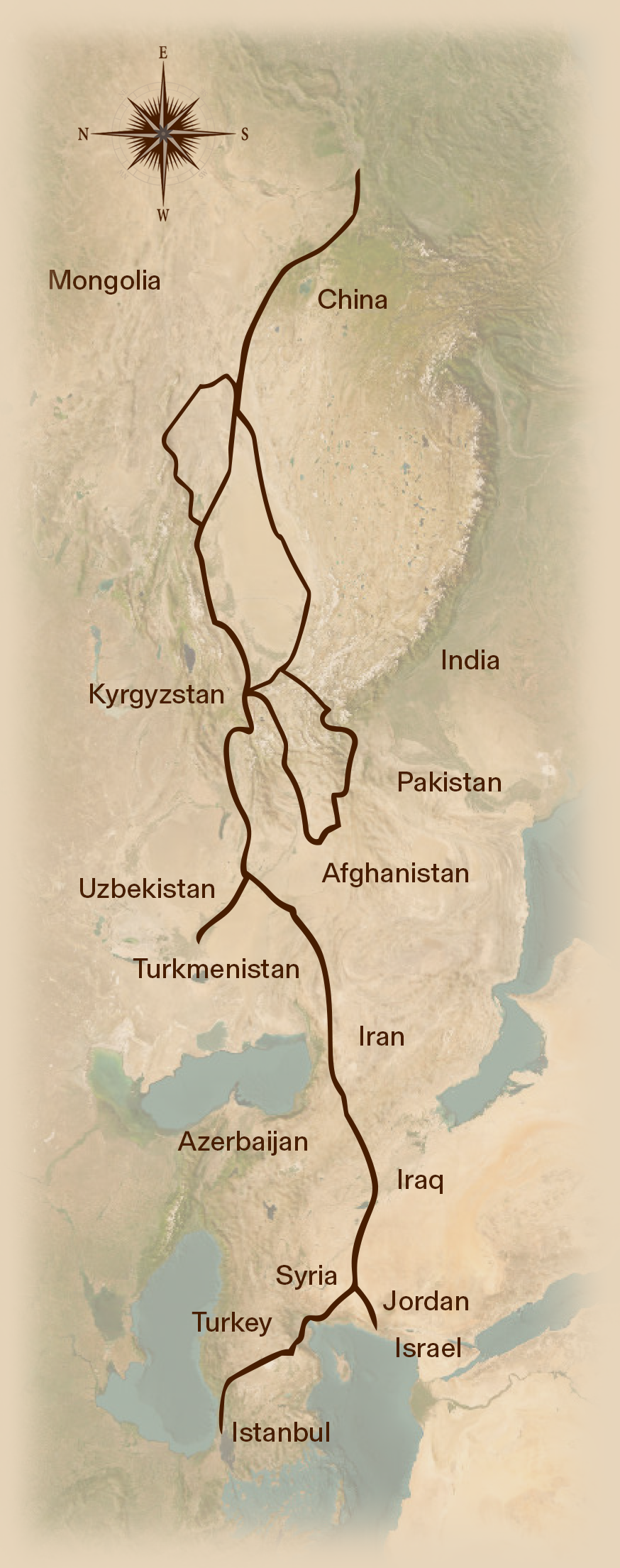
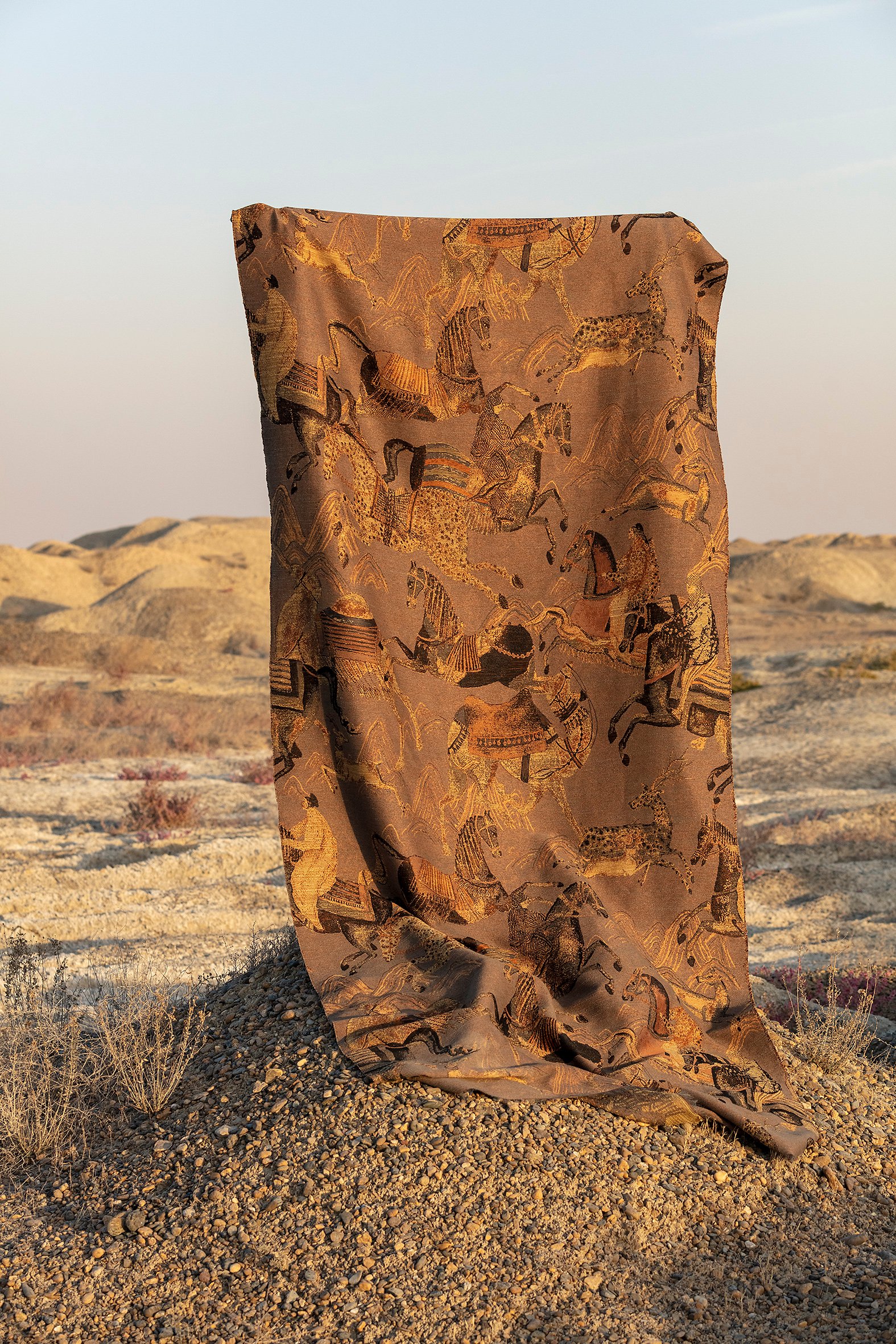
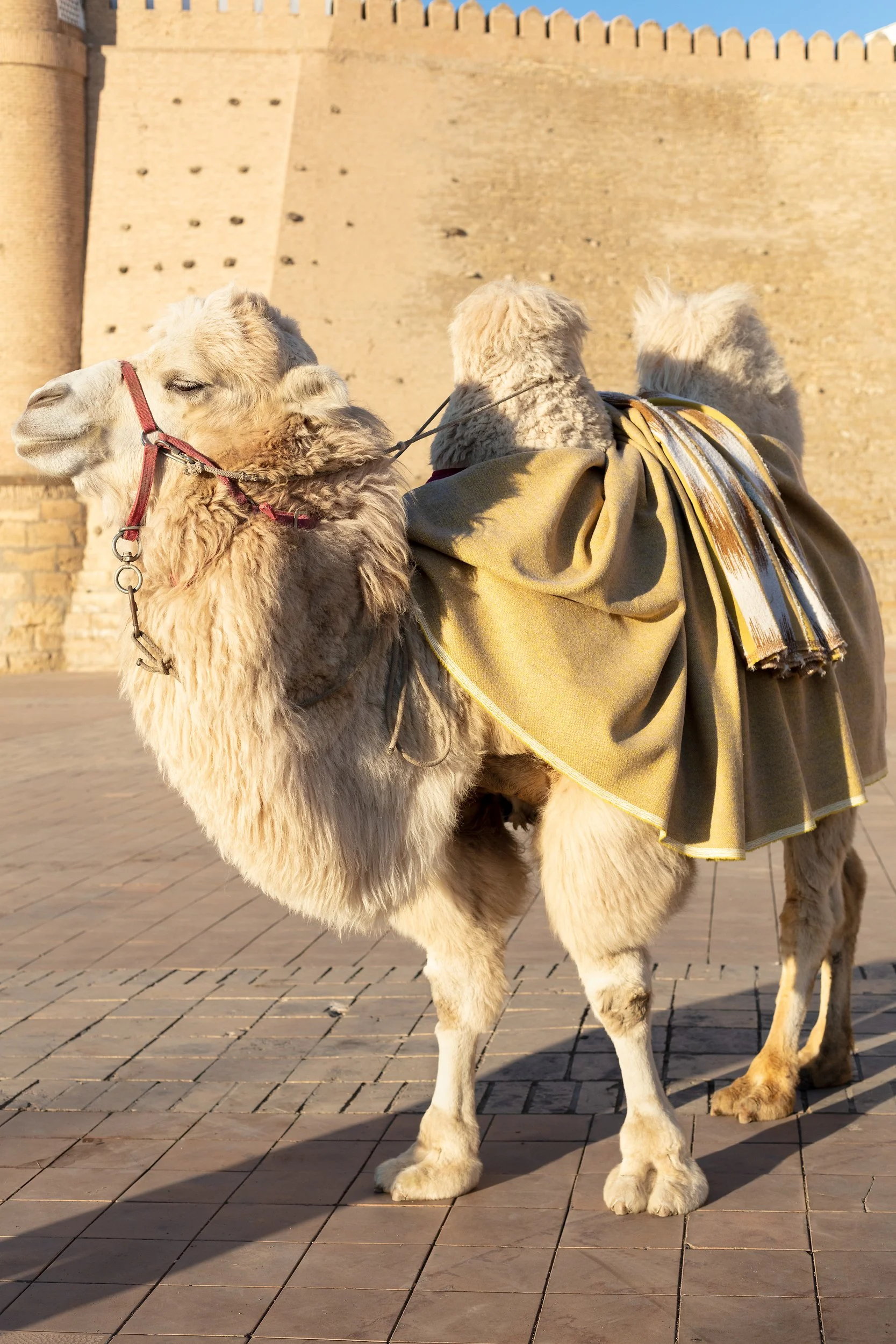
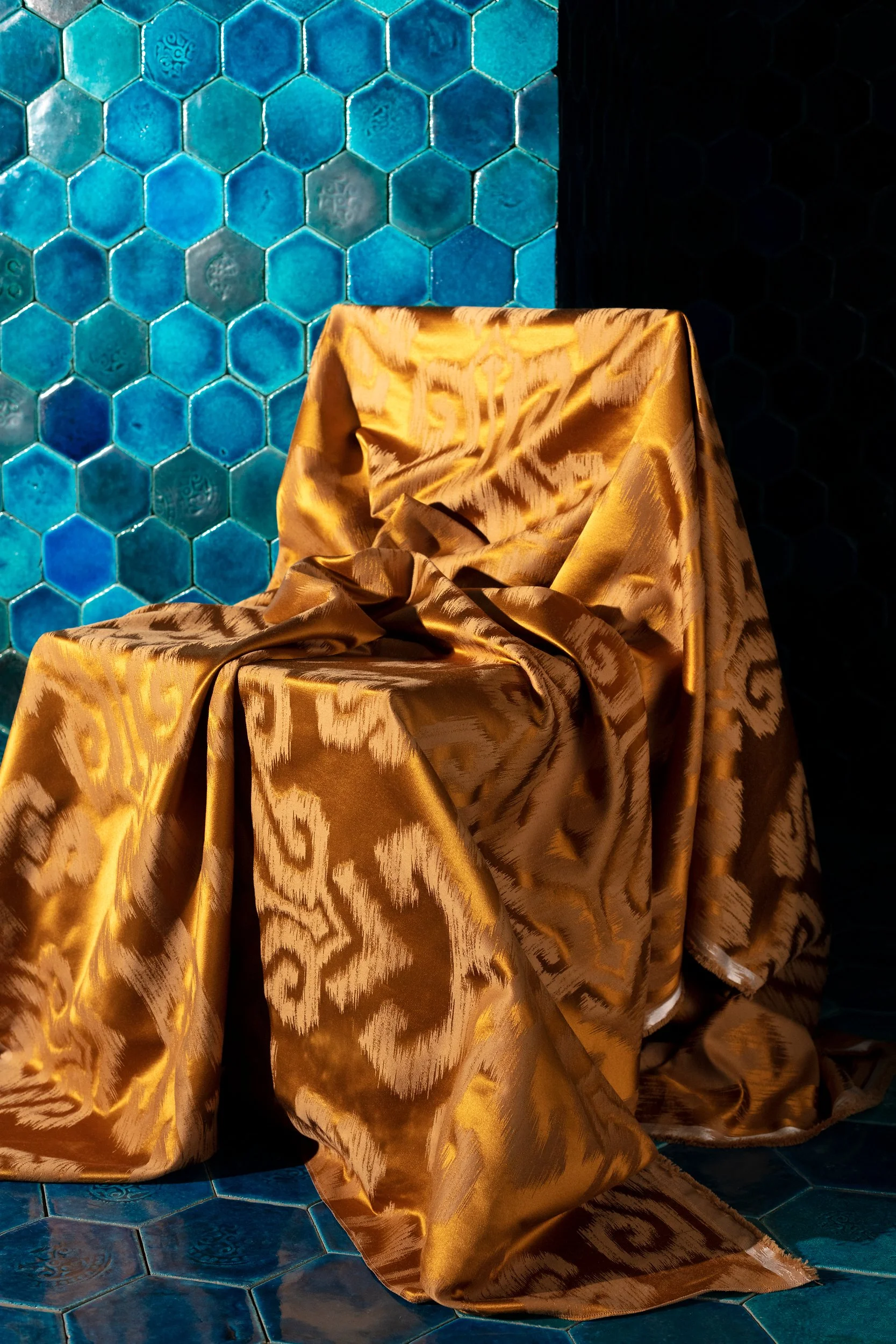
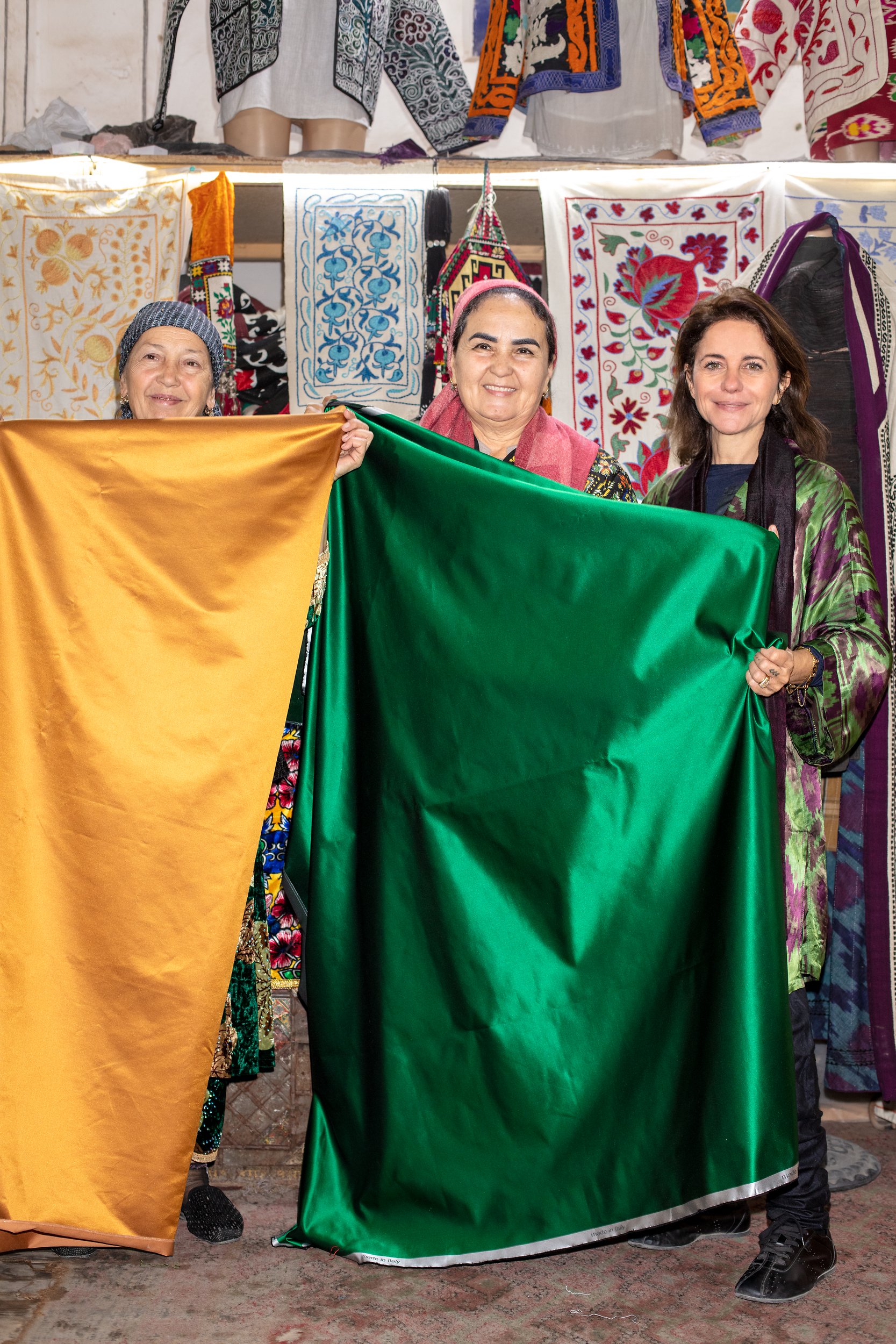
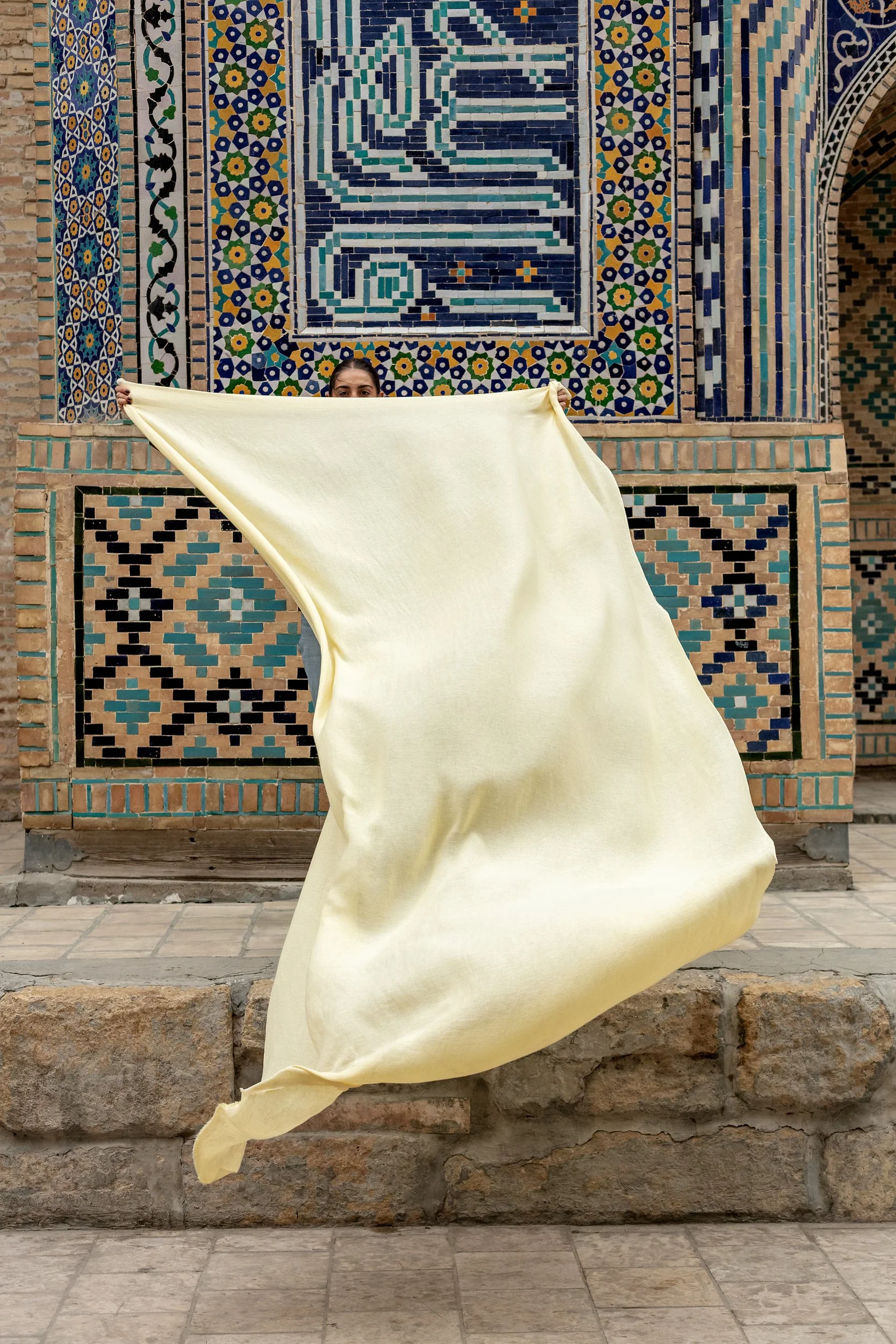
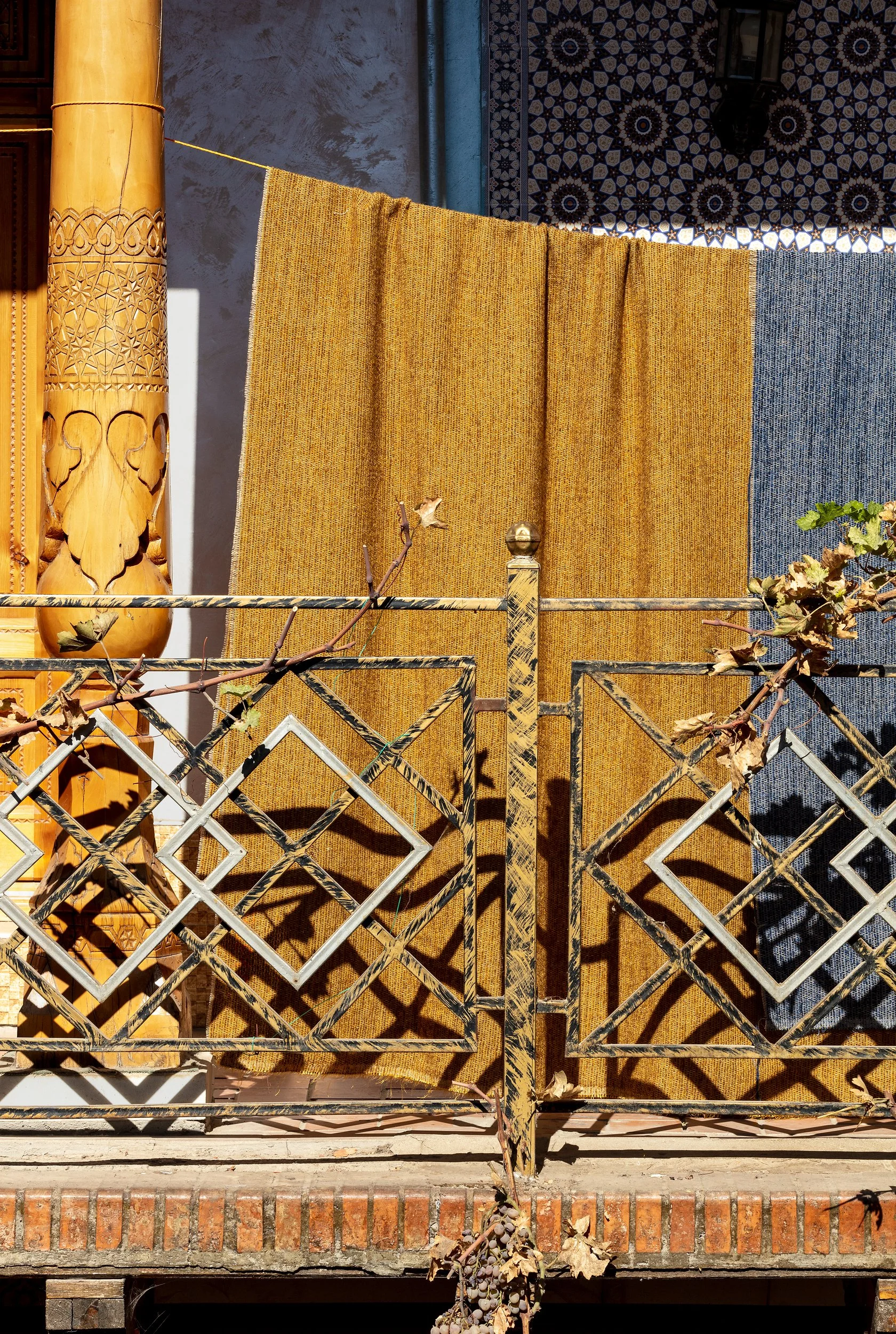
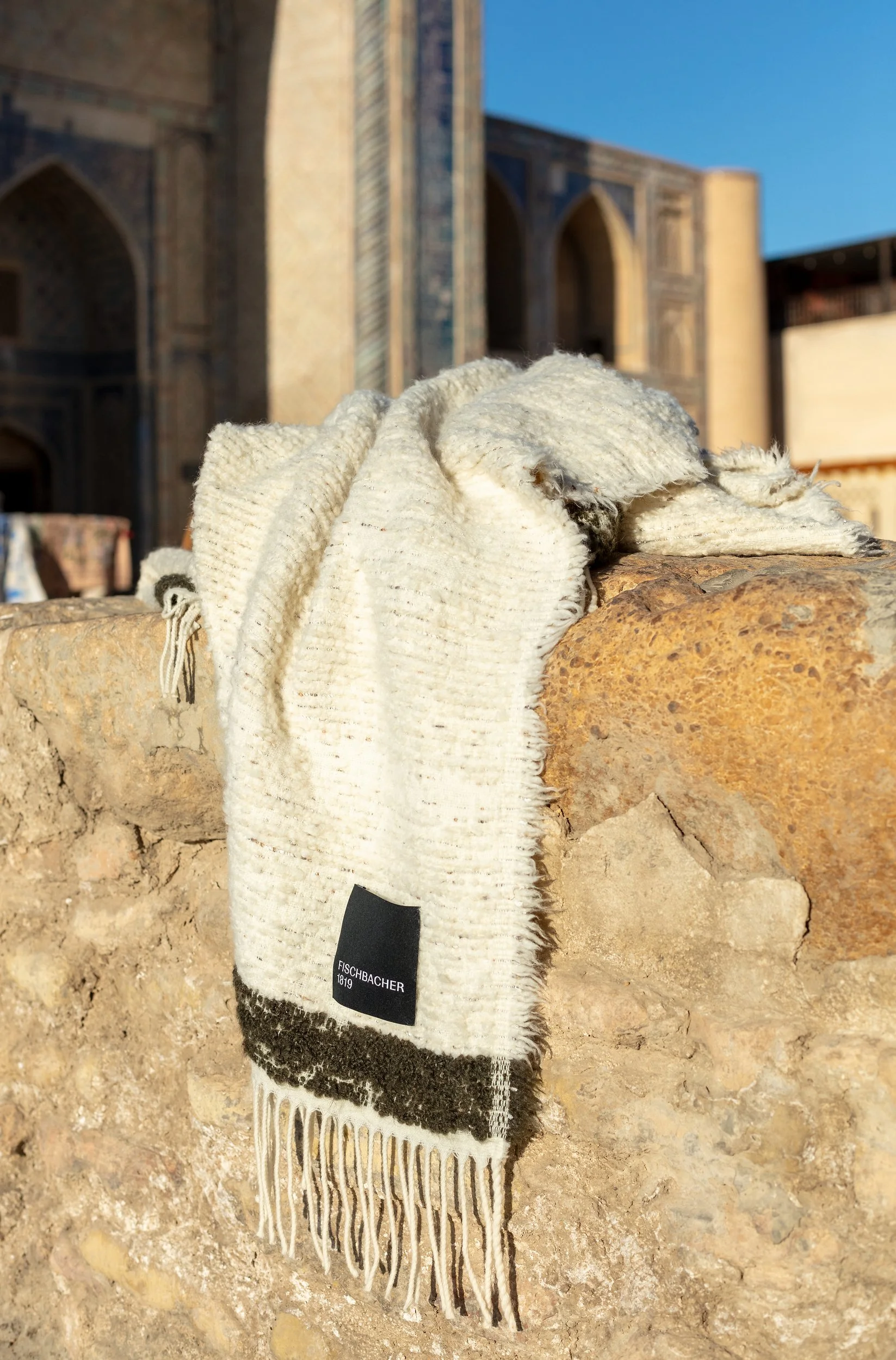
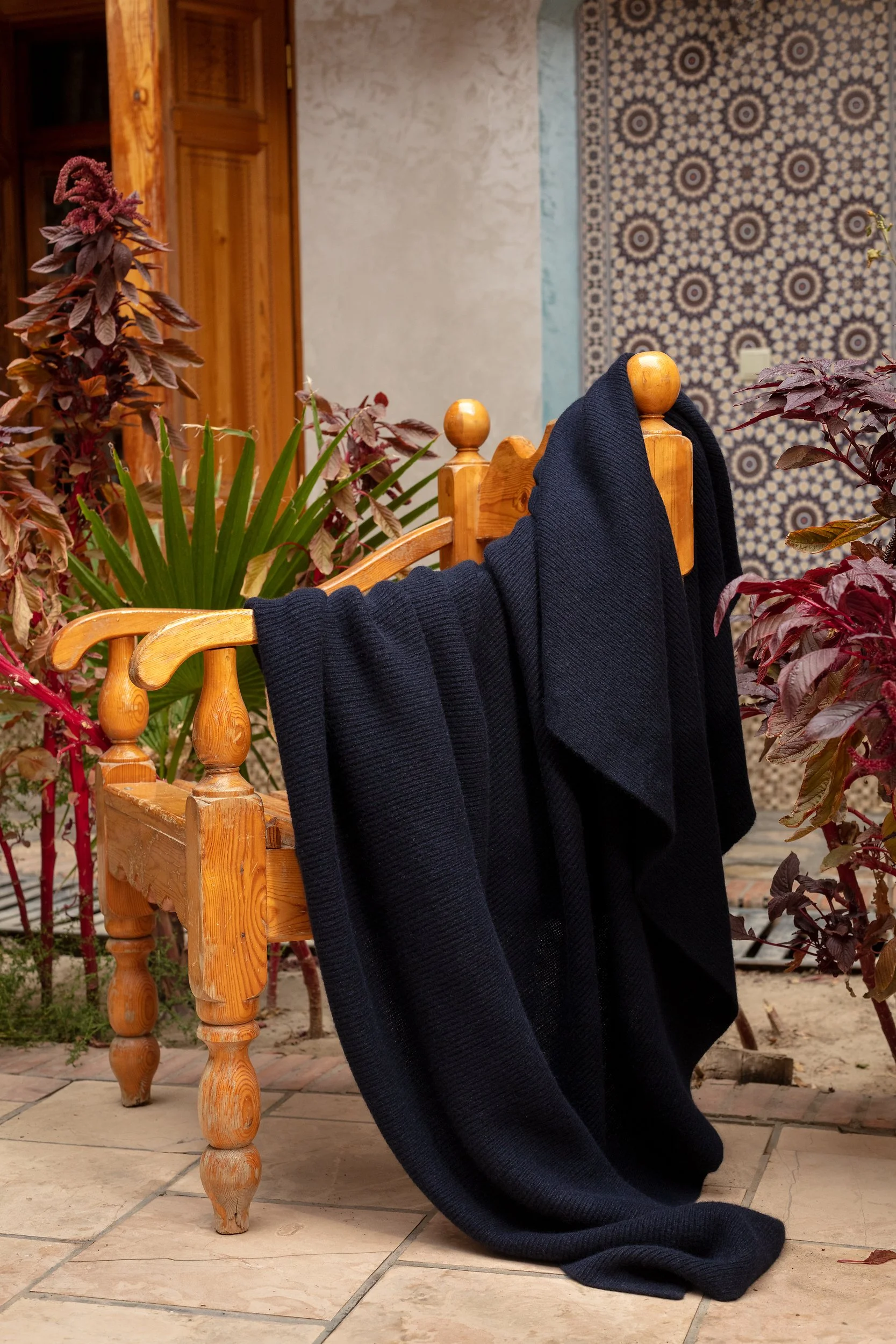
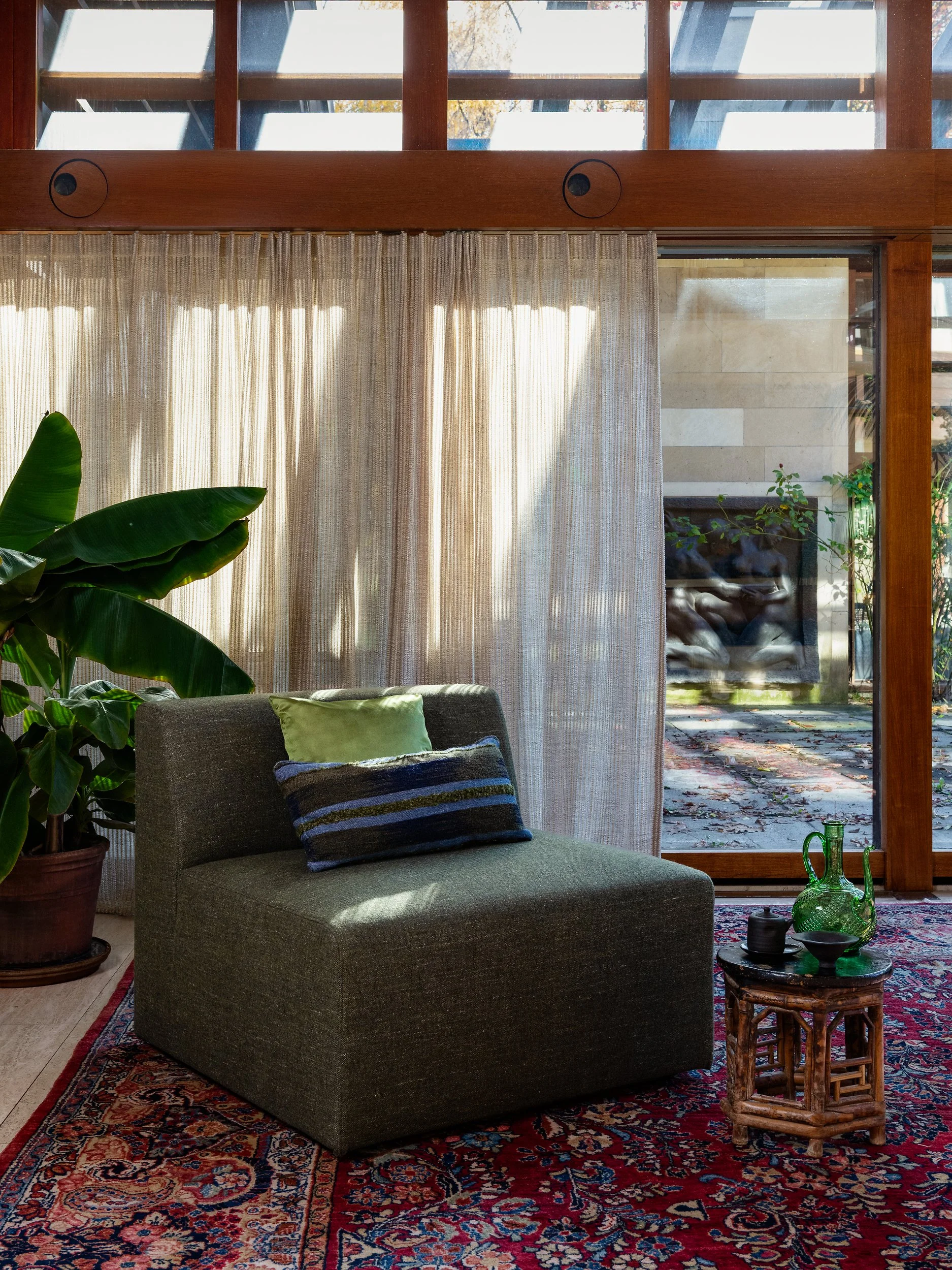
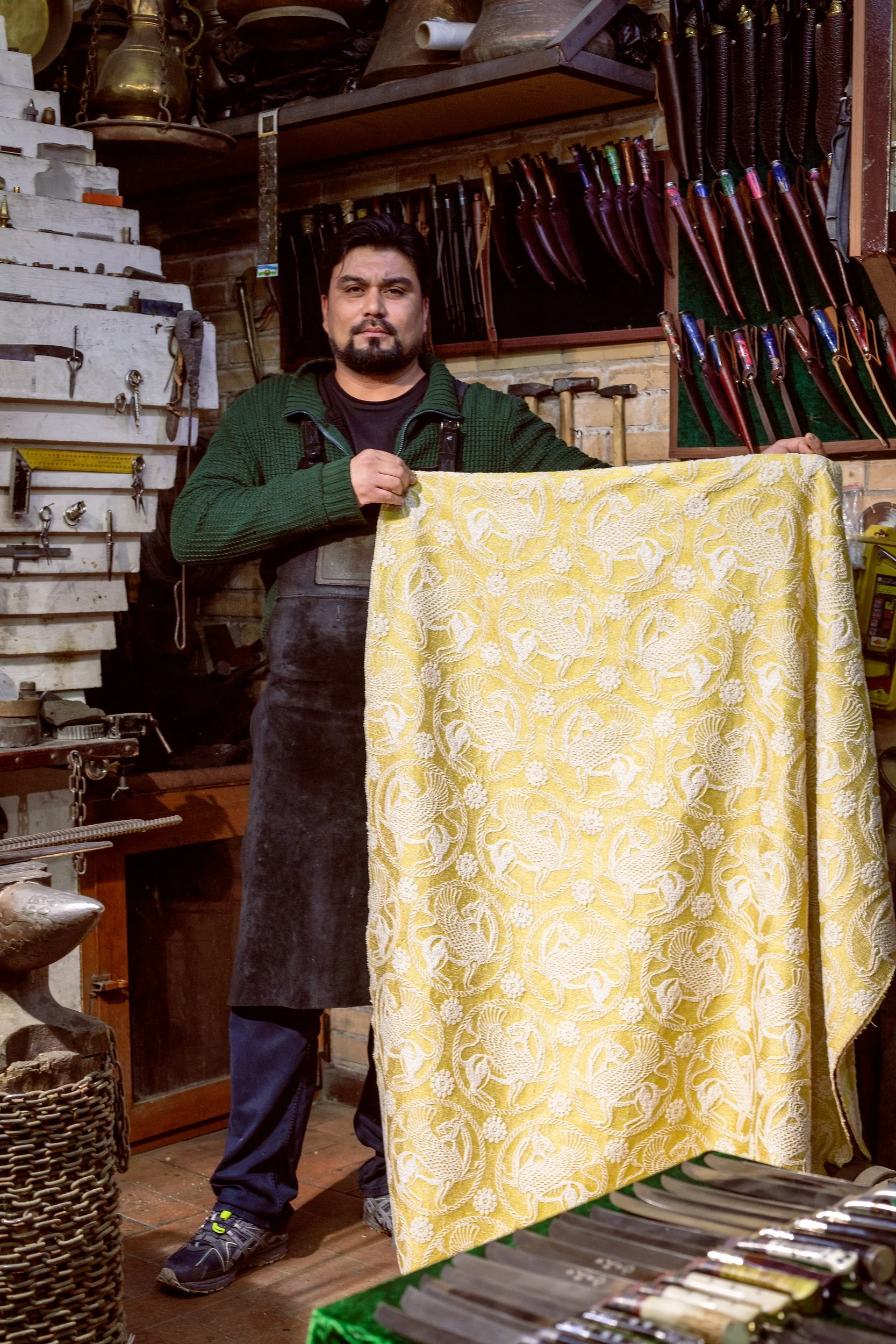
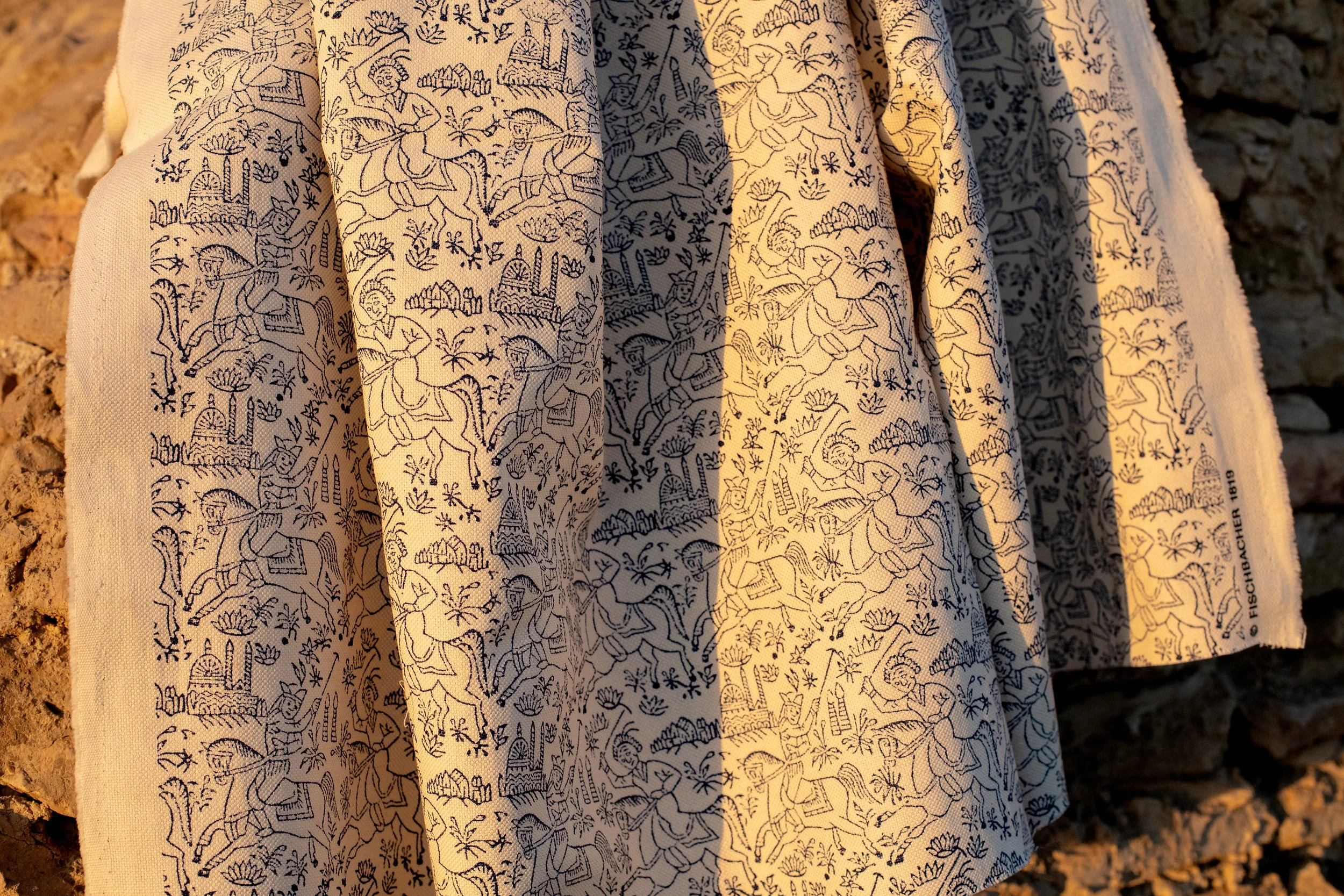
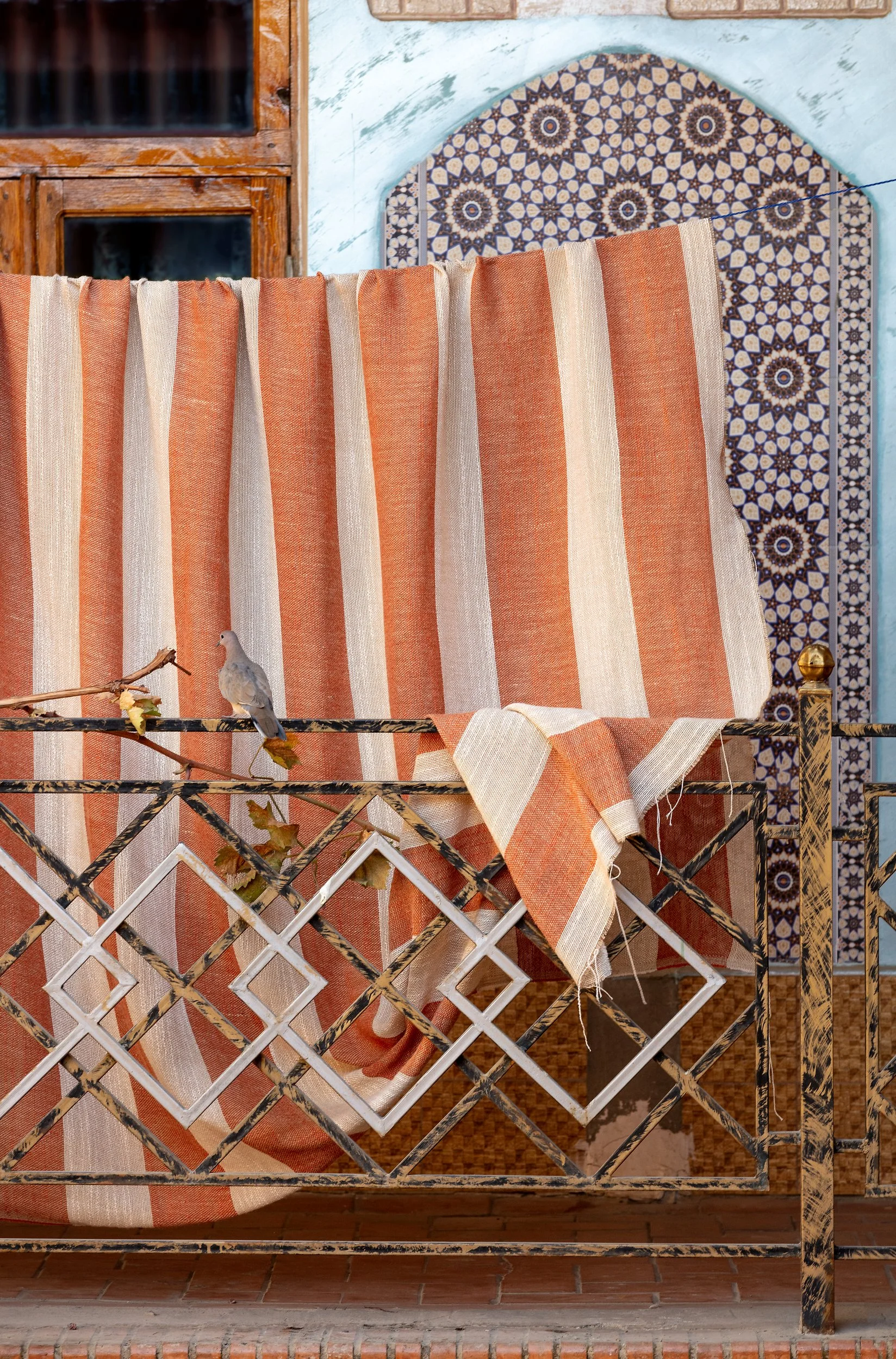
The Silk Road is not only an ancient geography: it is a map of emotions and memories, a collective narrative made of artefacts, colours, symbols and encounters.
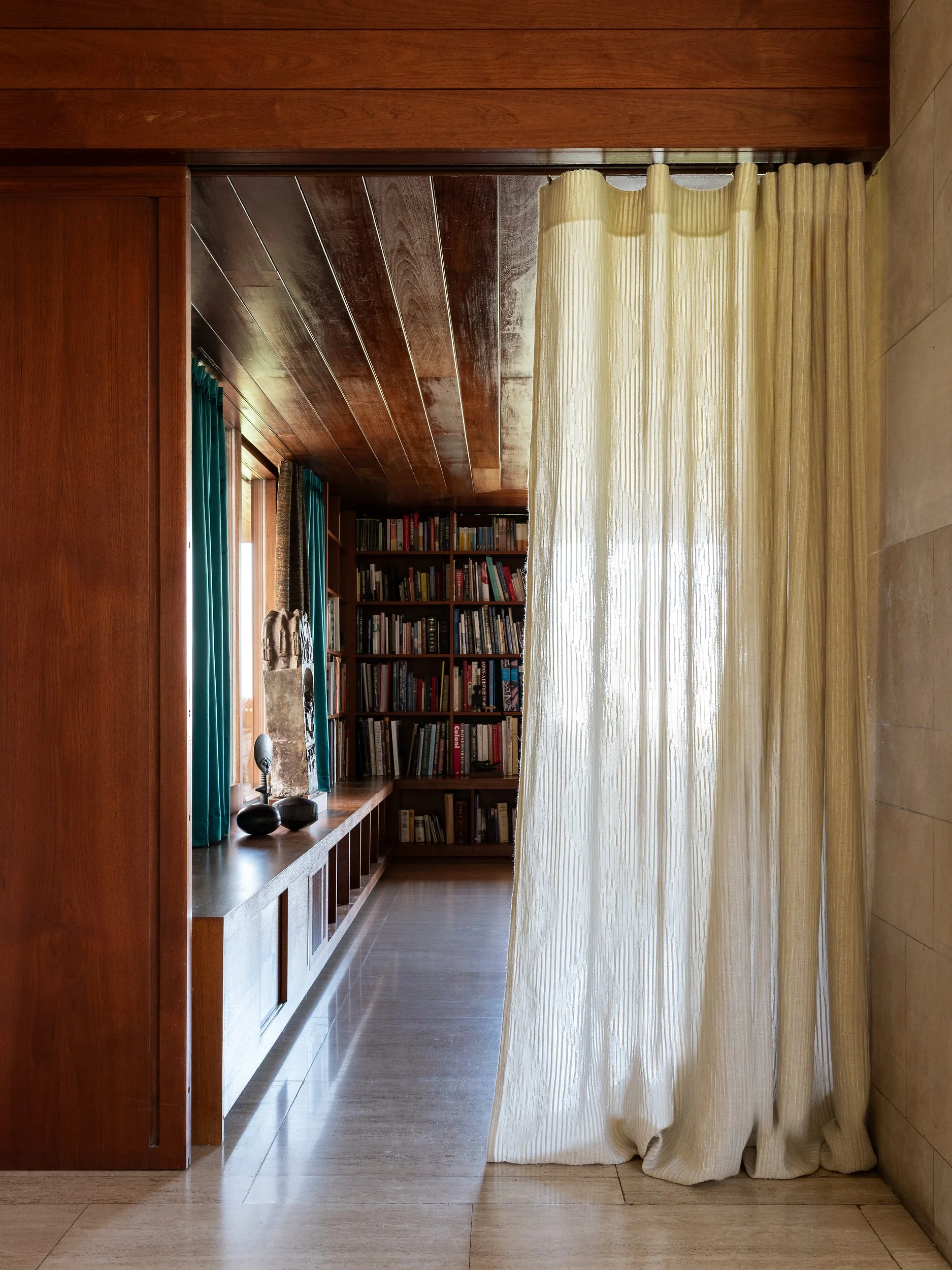
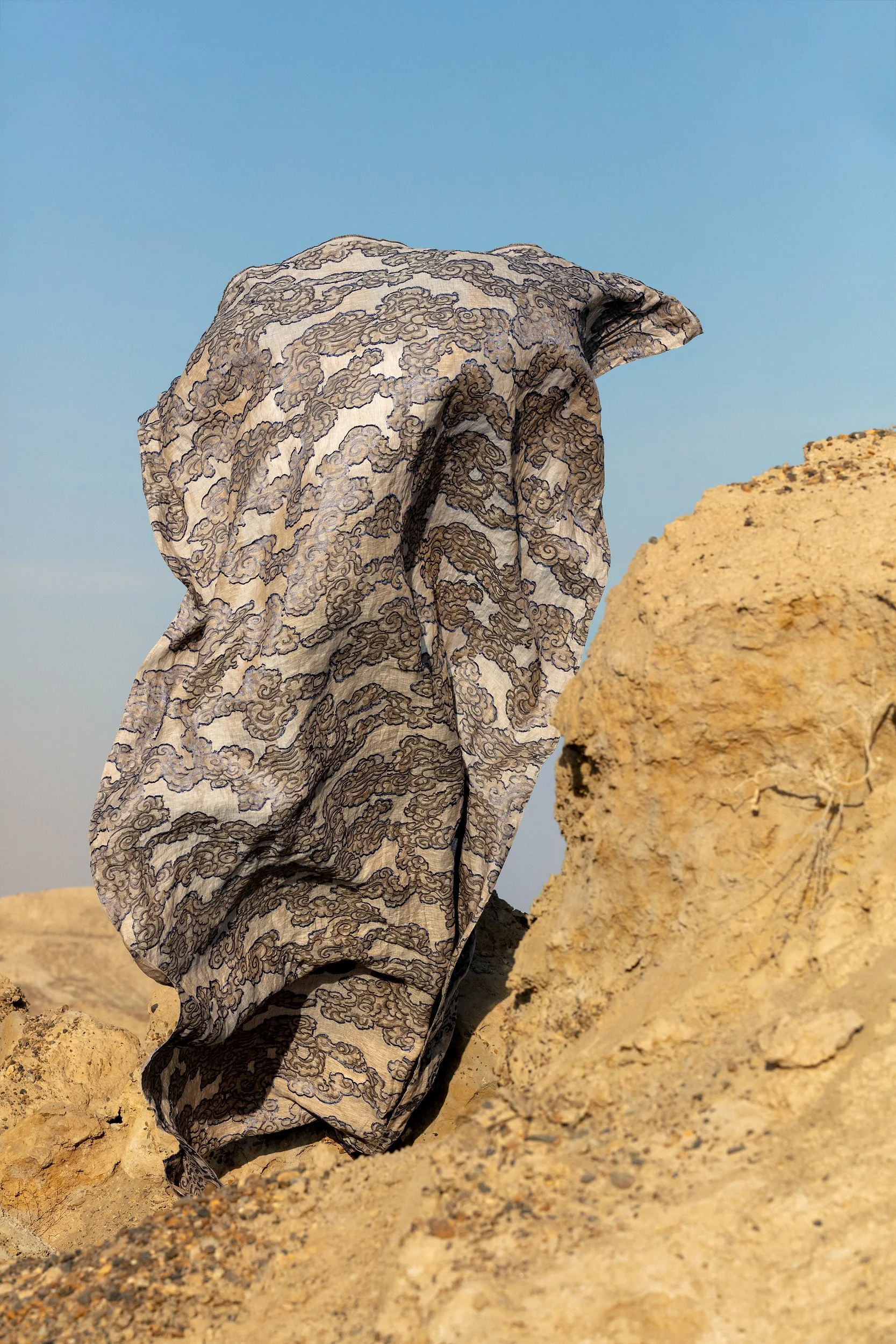
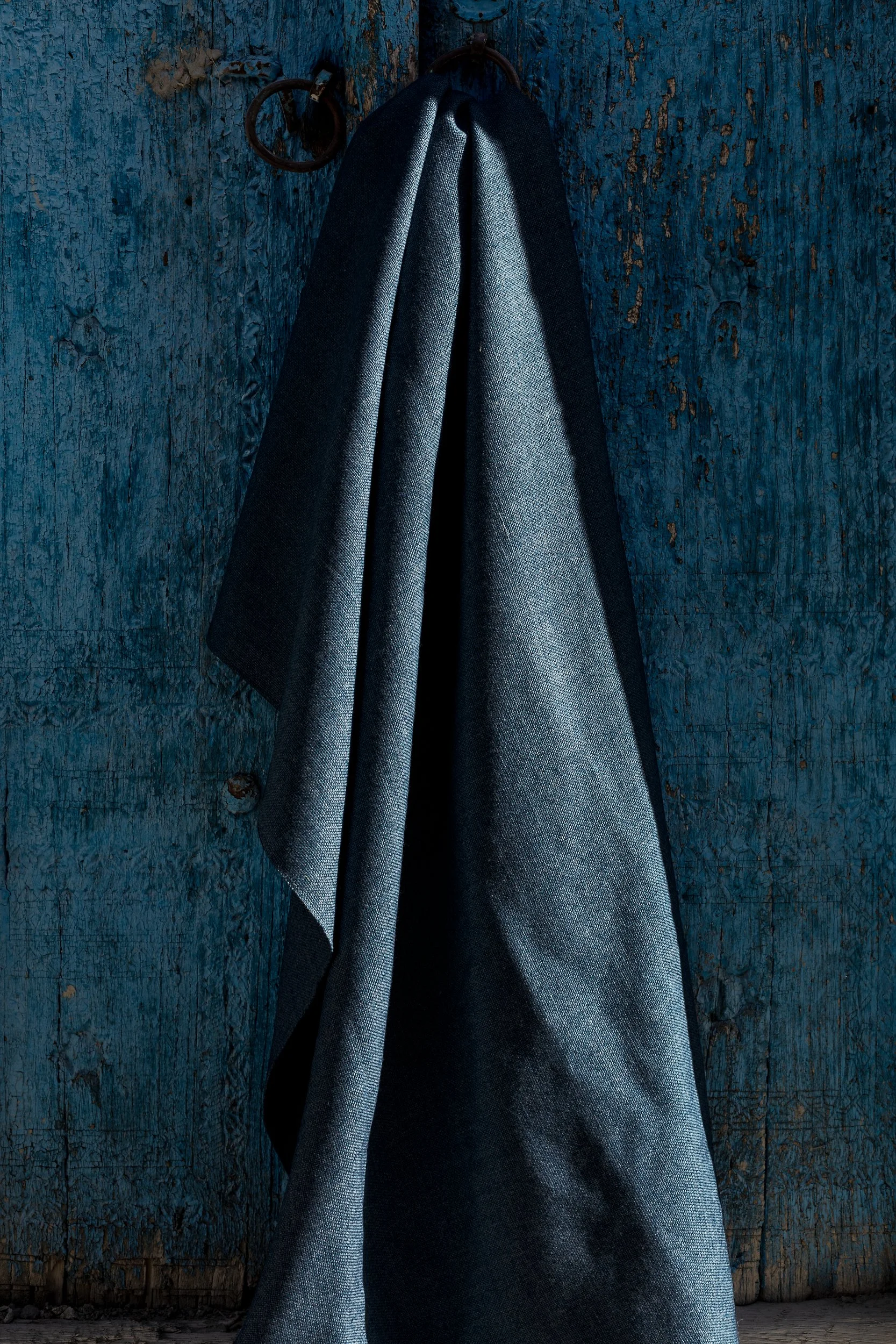
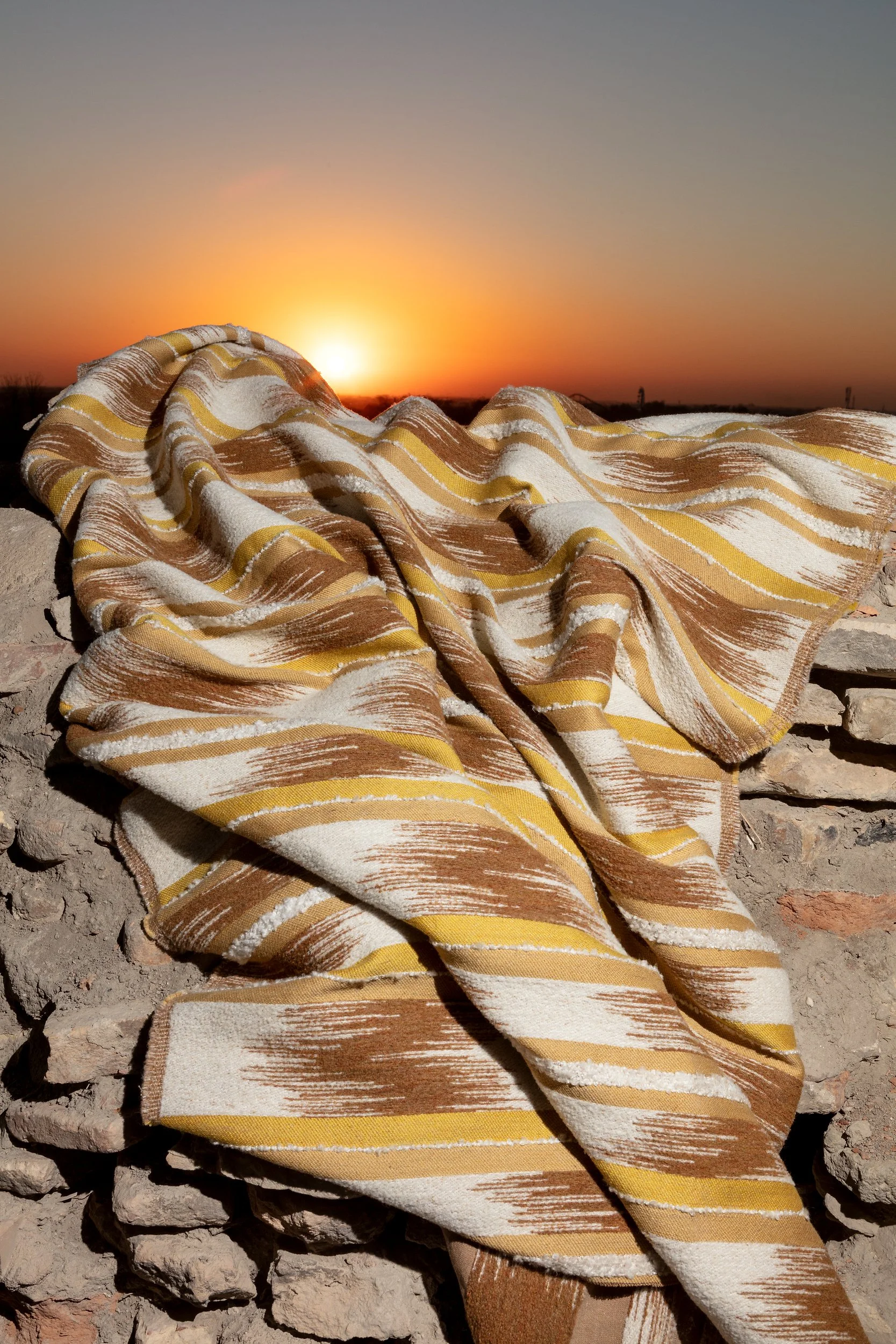
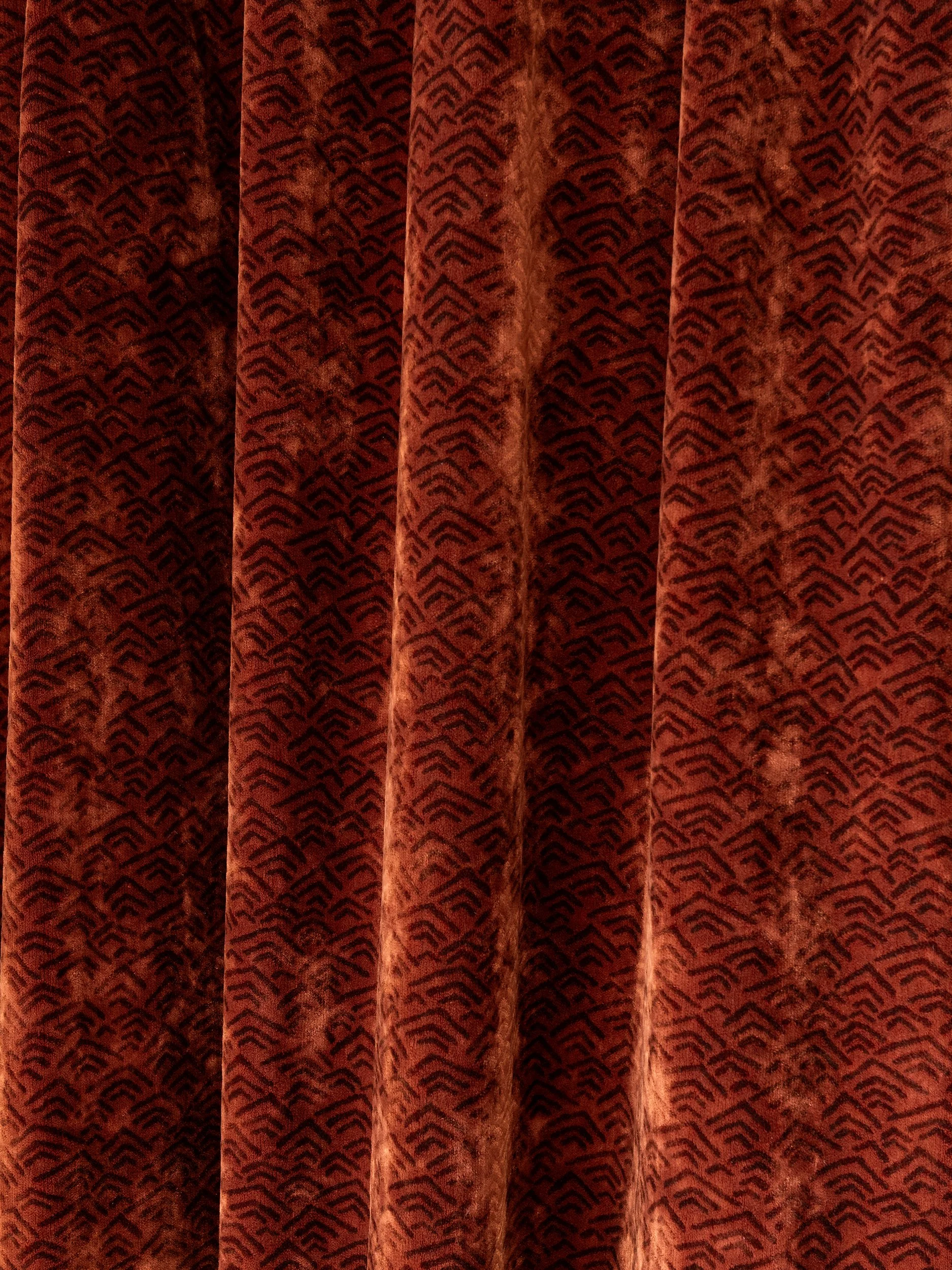
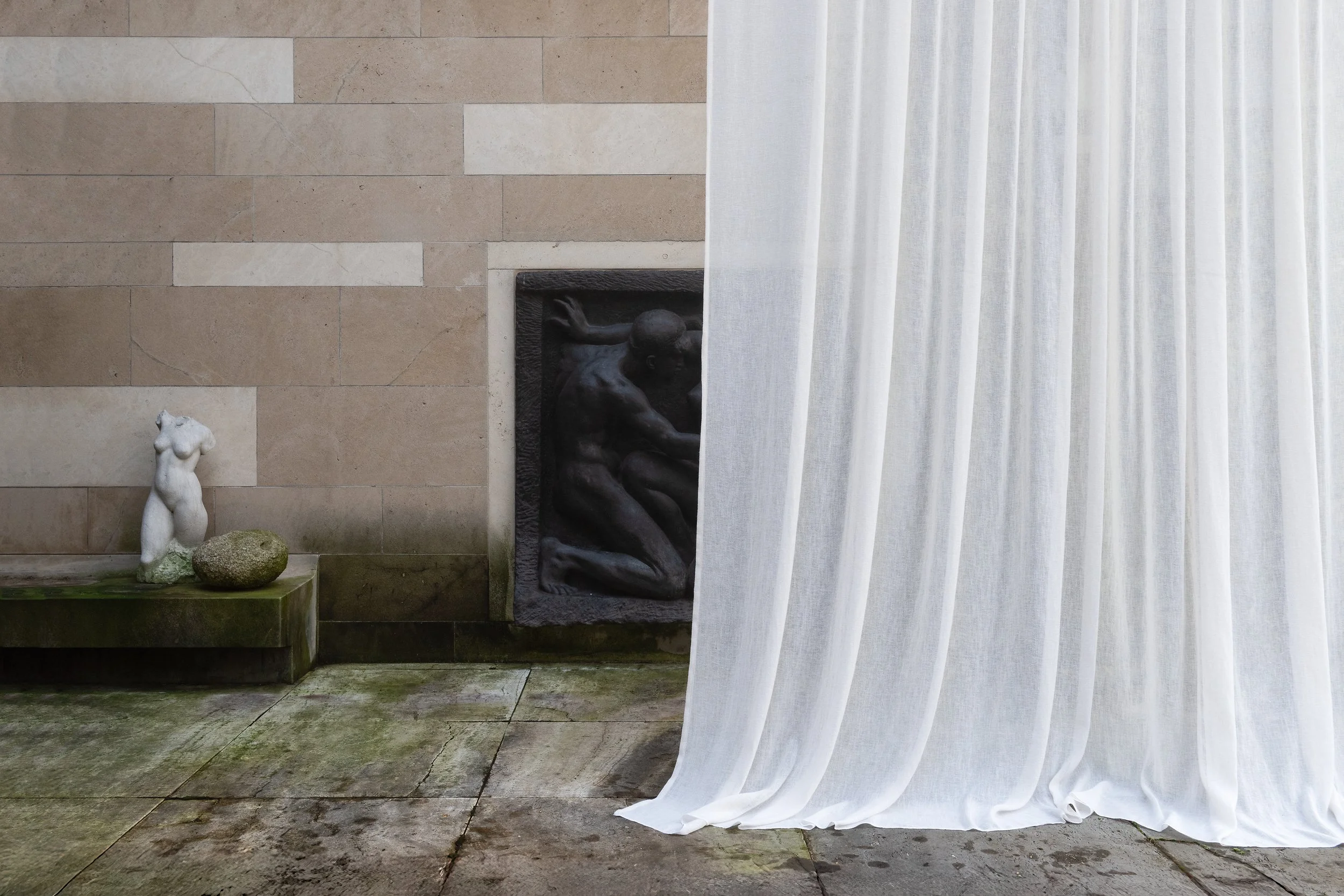
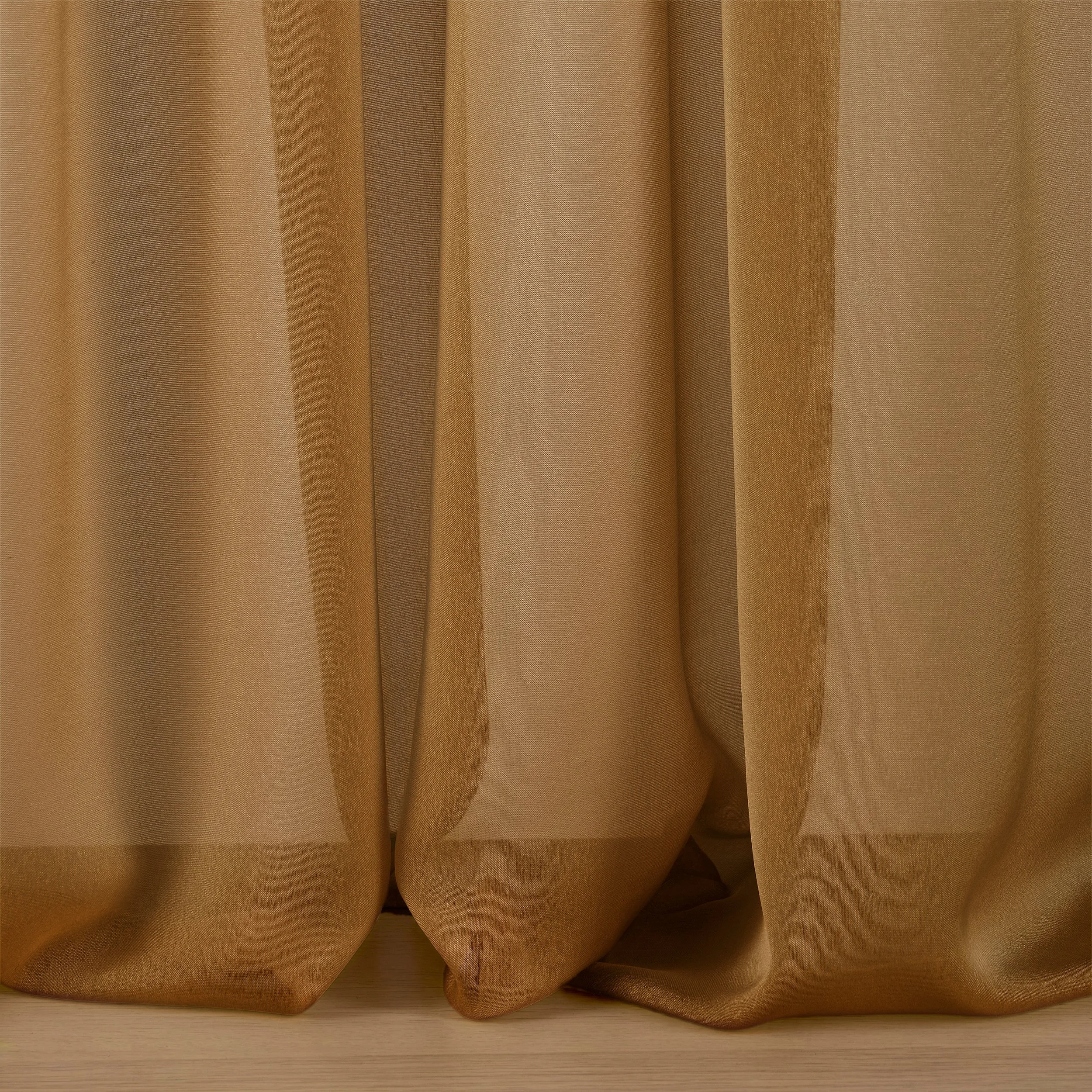
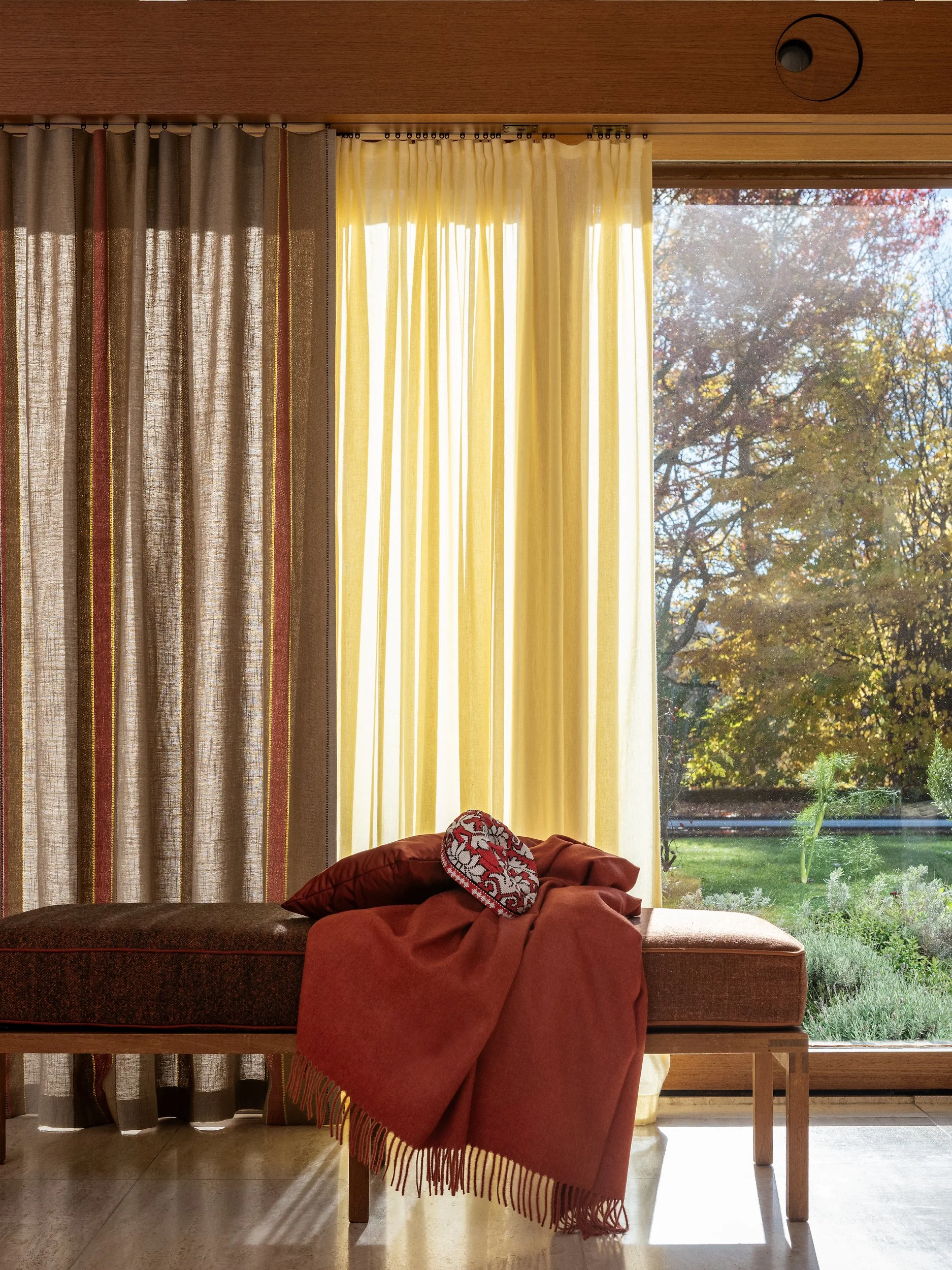
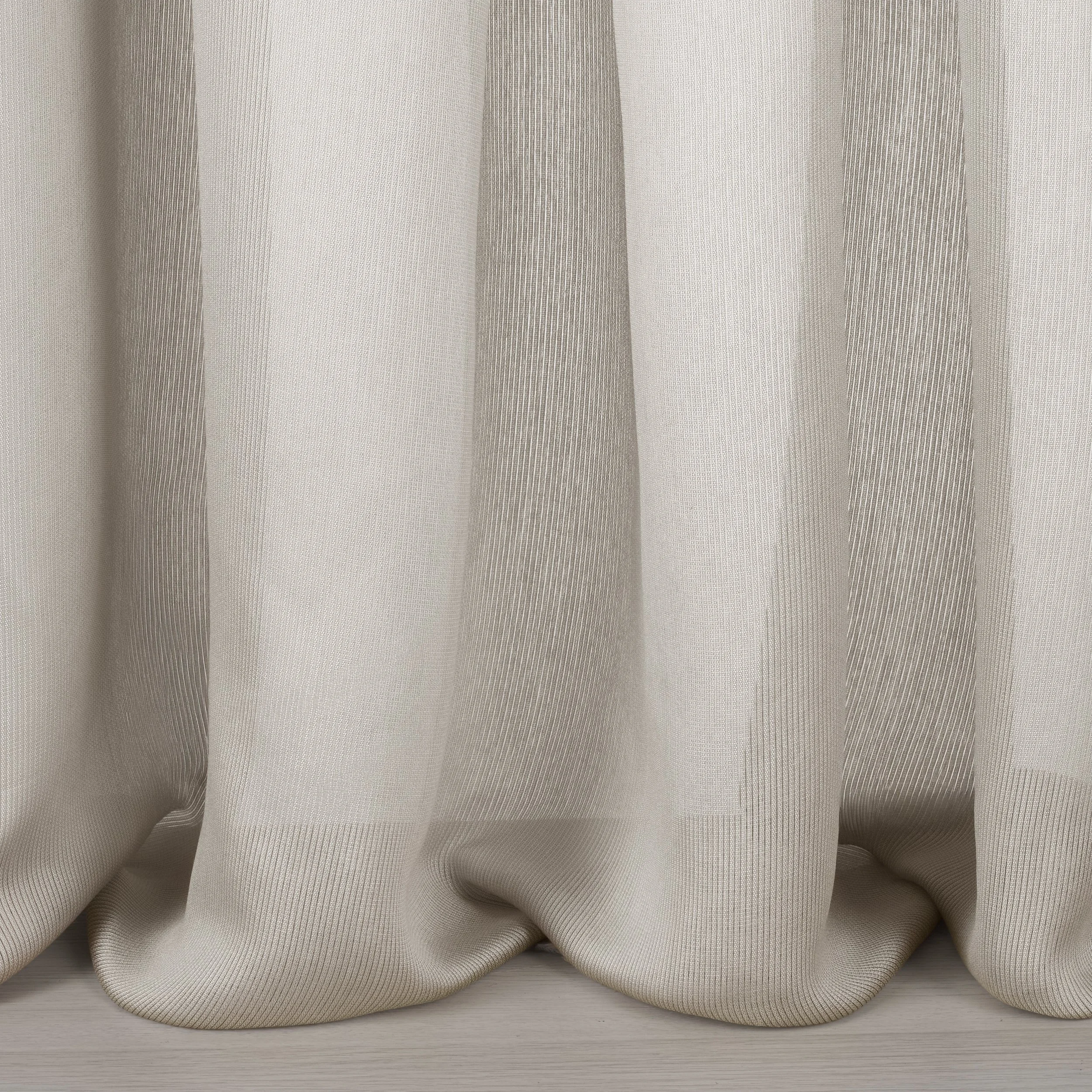
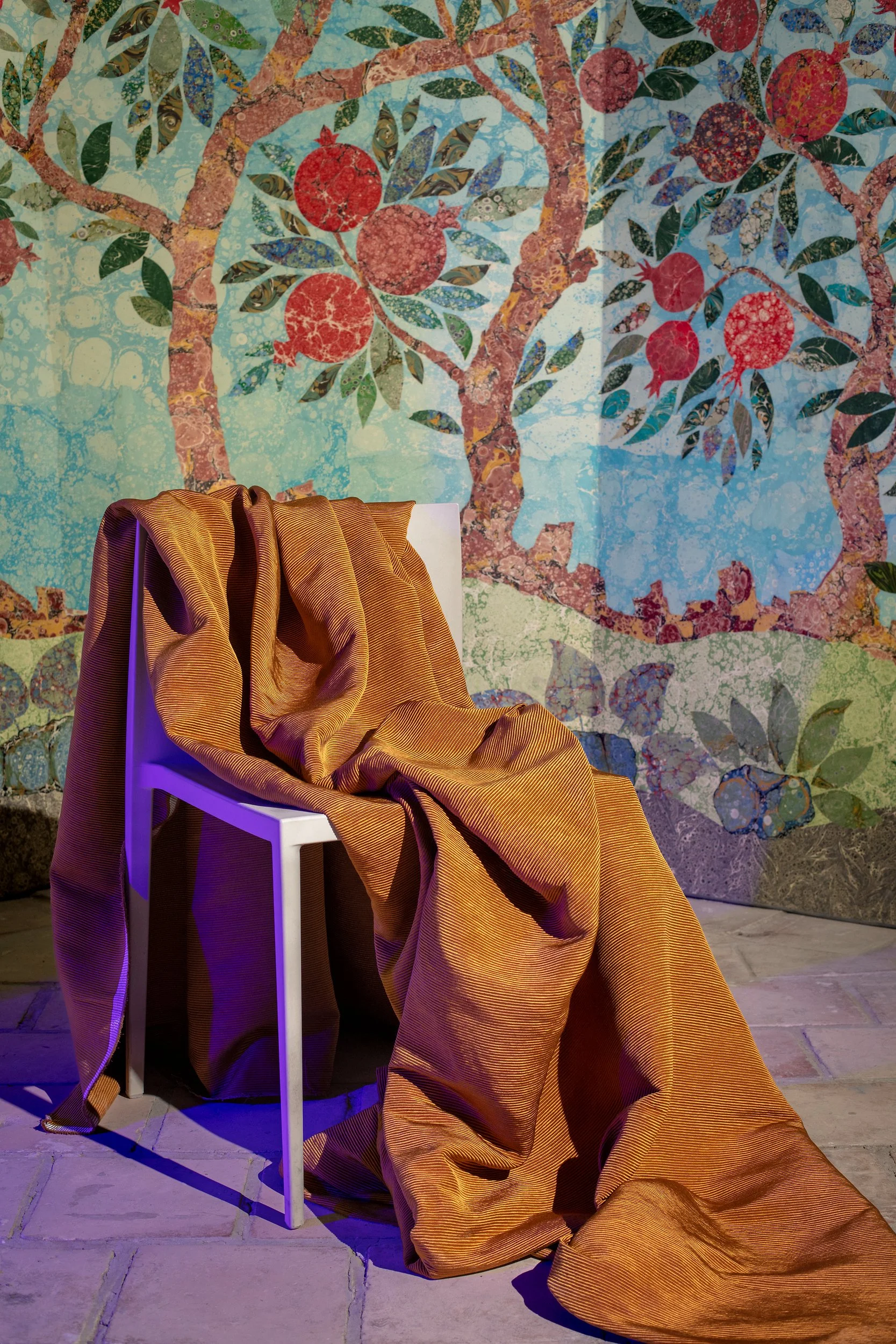
The collection pays homage to all of this, with fabrics that evoke the gesture of the artisan’s hand and the strength of fibres that travel across time and space.
Each fabric is named after a mythical figure, a forgotten city, or a landscape shaped by wind and light: deserts, mountains, hidden rivers, bustling bazaars.
Discover the history →
Discover the history →
Discover the history →
Discover the history →
Discover the history →
Discover the history →
Discover the history →
Discover the history →
Discover the history →
Discover the history →
Click to discover all fabrics and their unique histories:
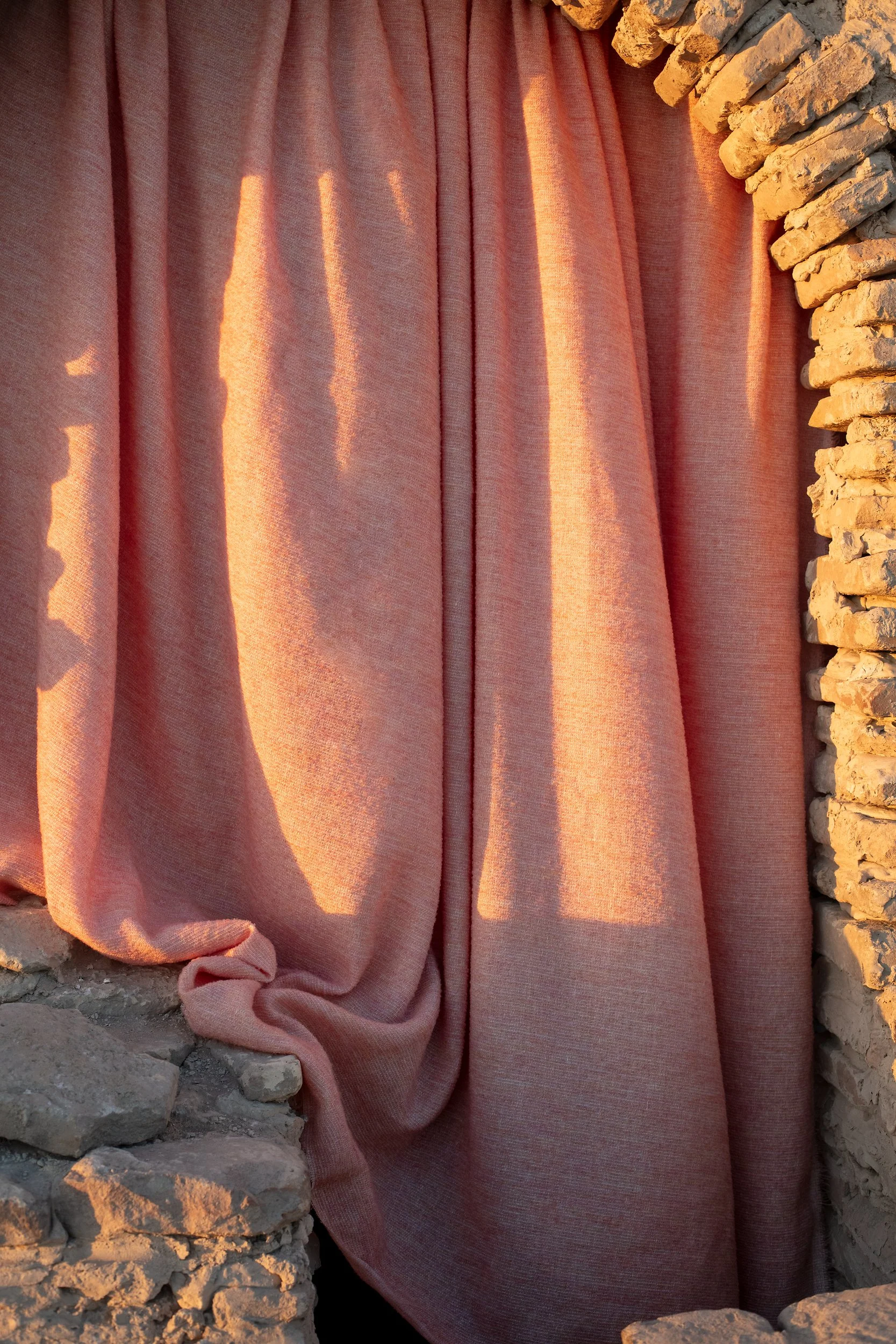
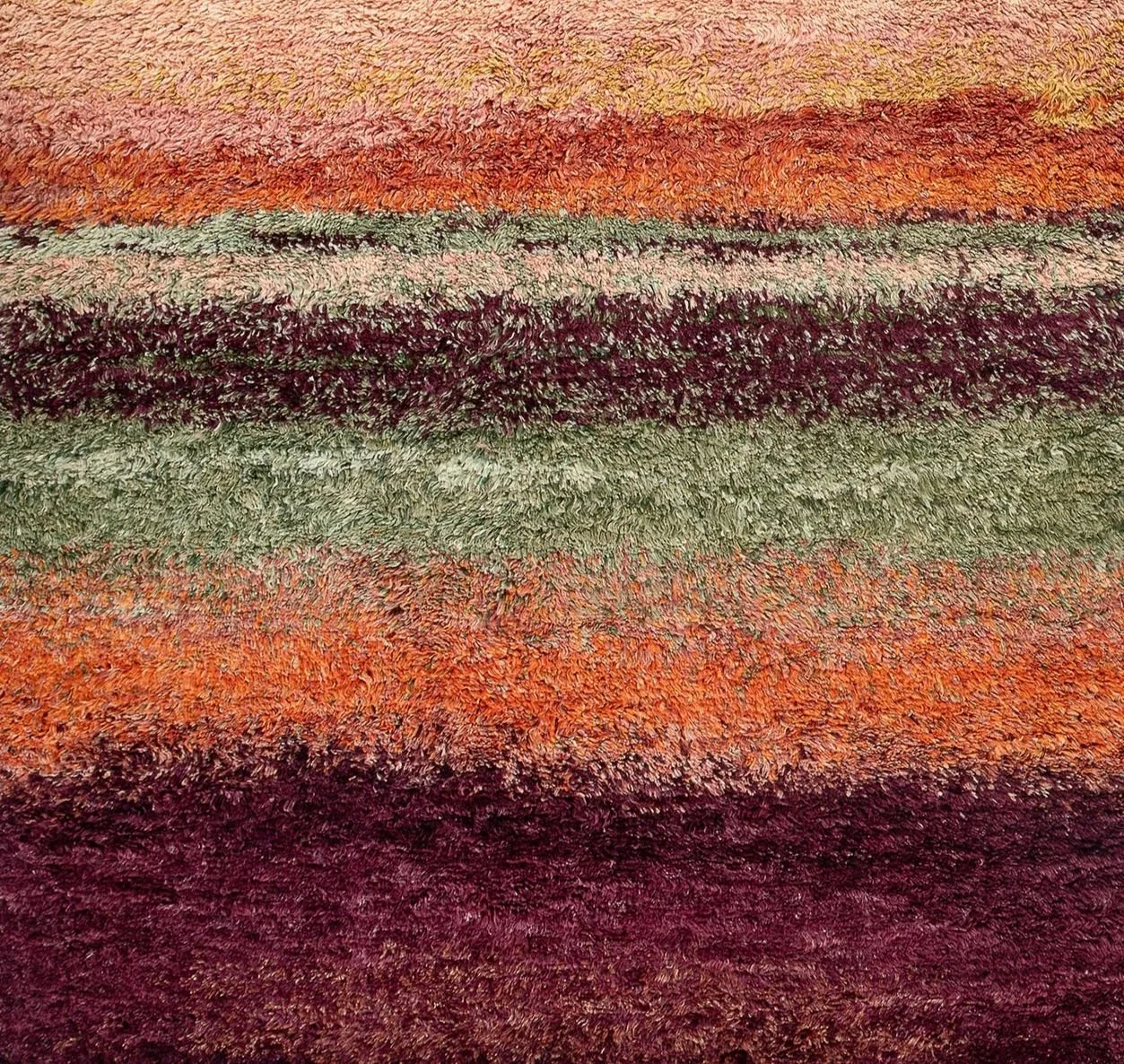
Discoveries along the Silk Road
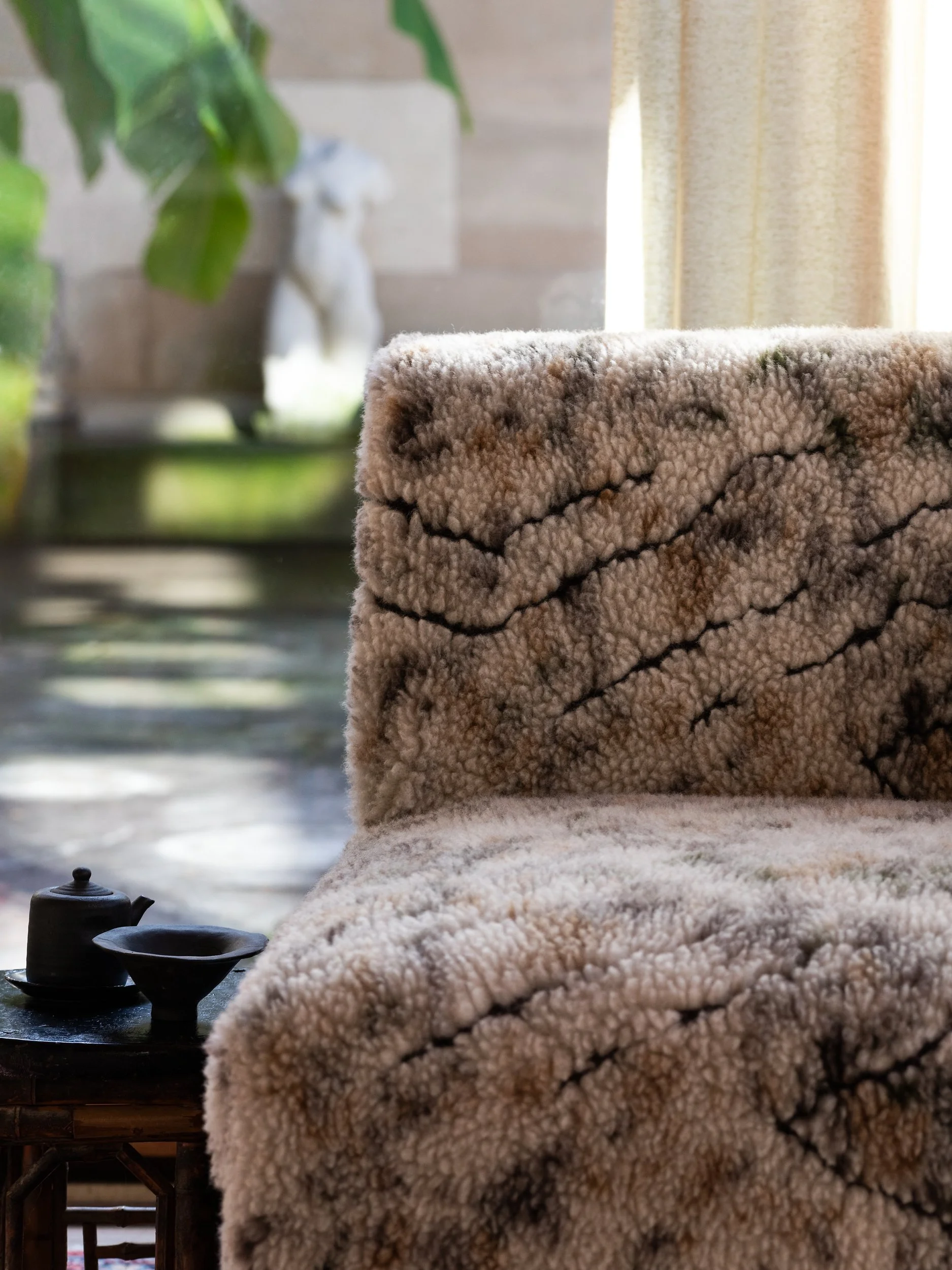
For Milan Design Week 2026, Fischbacher 1819 extends its Silk Road collection into hand-knotted and flat-woven carpets in collaboration with Zollanvari, a third-generation Iranian carpet manufacturer now based in Switzerland, known for preserving traditional nomadic weaving techniques while bringing them into a contemporary context.
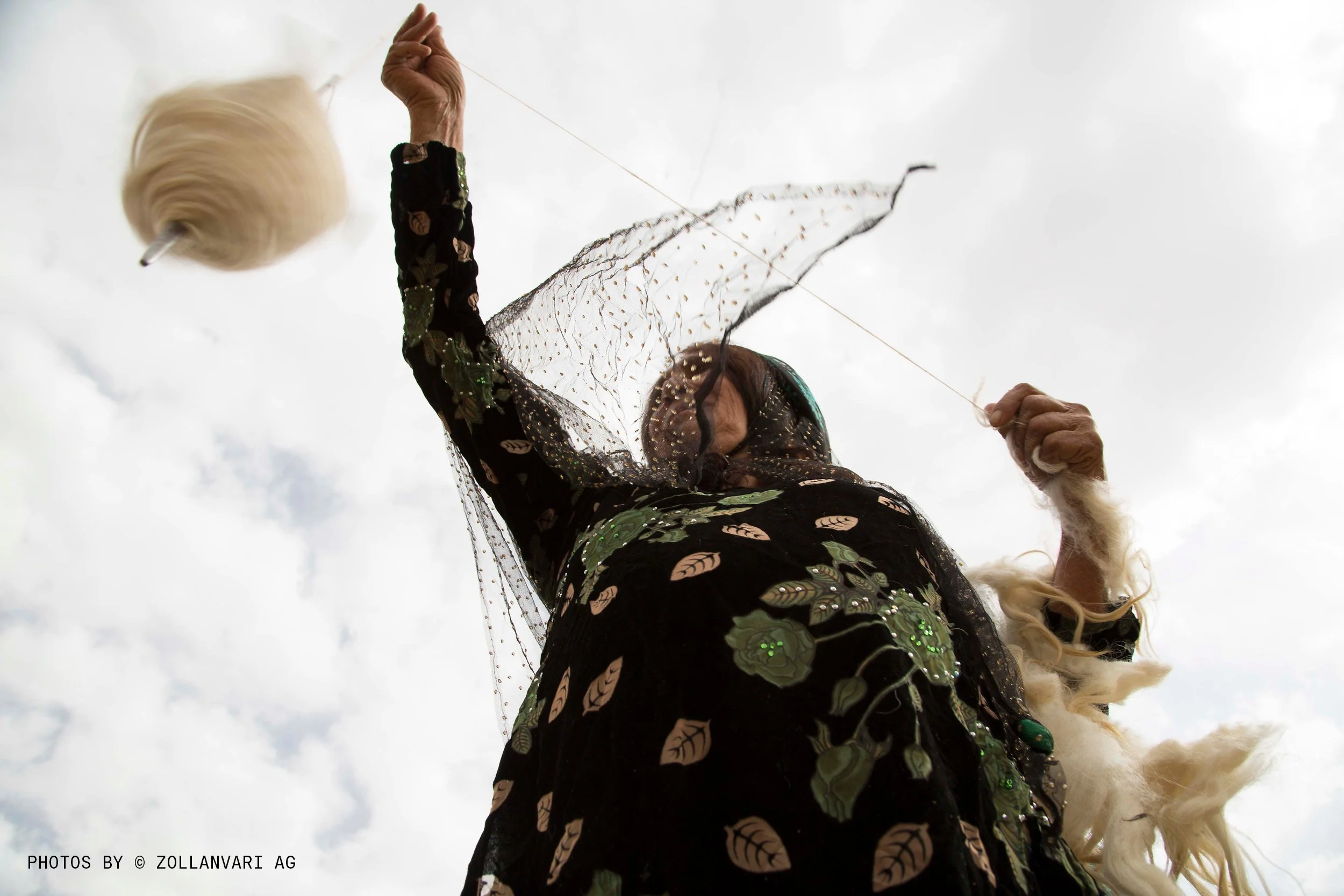
Each carpet is made using hand-spun highland wool sourced from the Zagros Mountains, prized for its softness and durability.
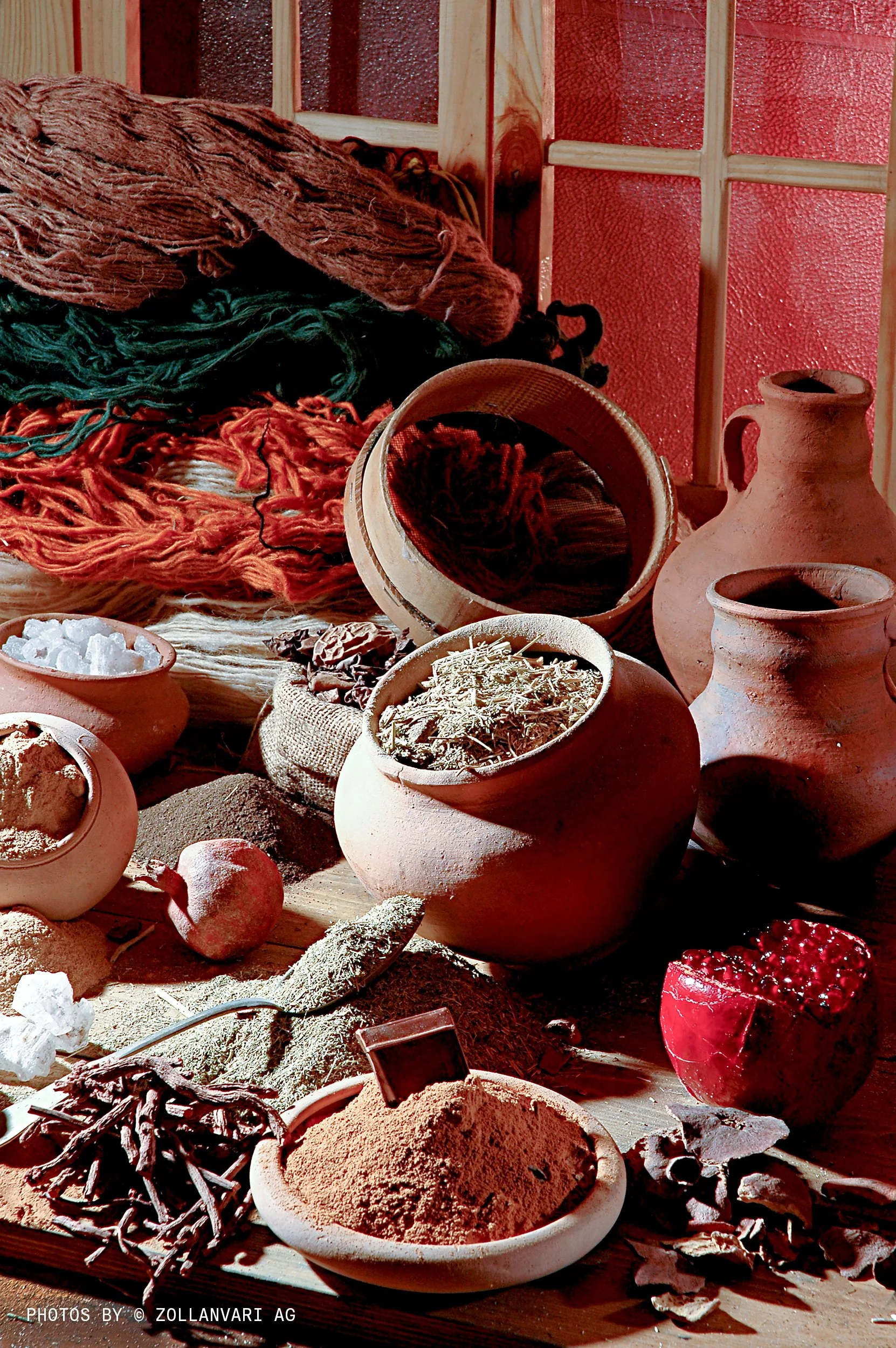
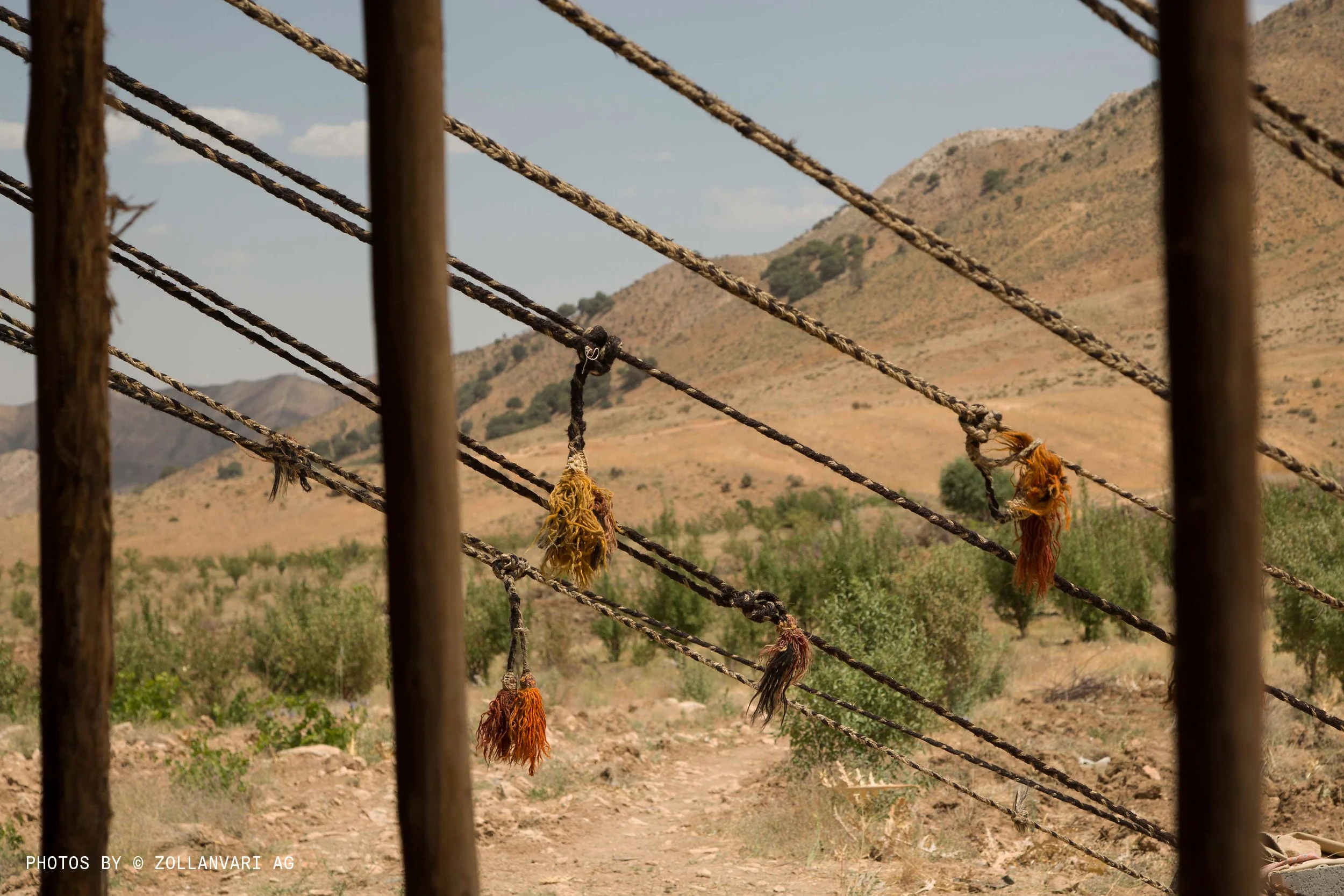
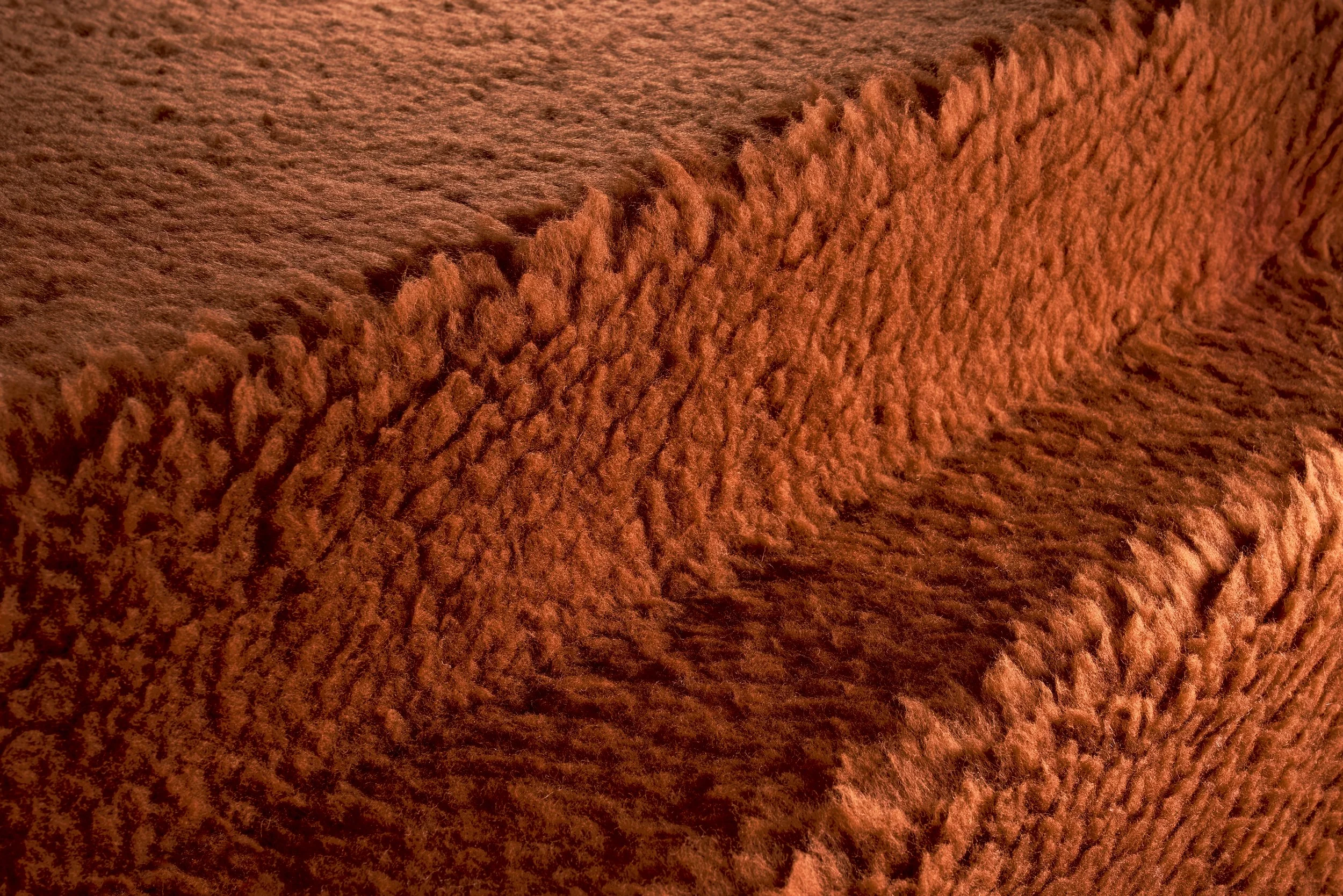
The wool is dyed entirely with natural pigments derived from locally grown plants, including indigo for blue, pomegranate for warm golds, wild dill for greens, walnut for browns, and madder root for rich reds and oranges.
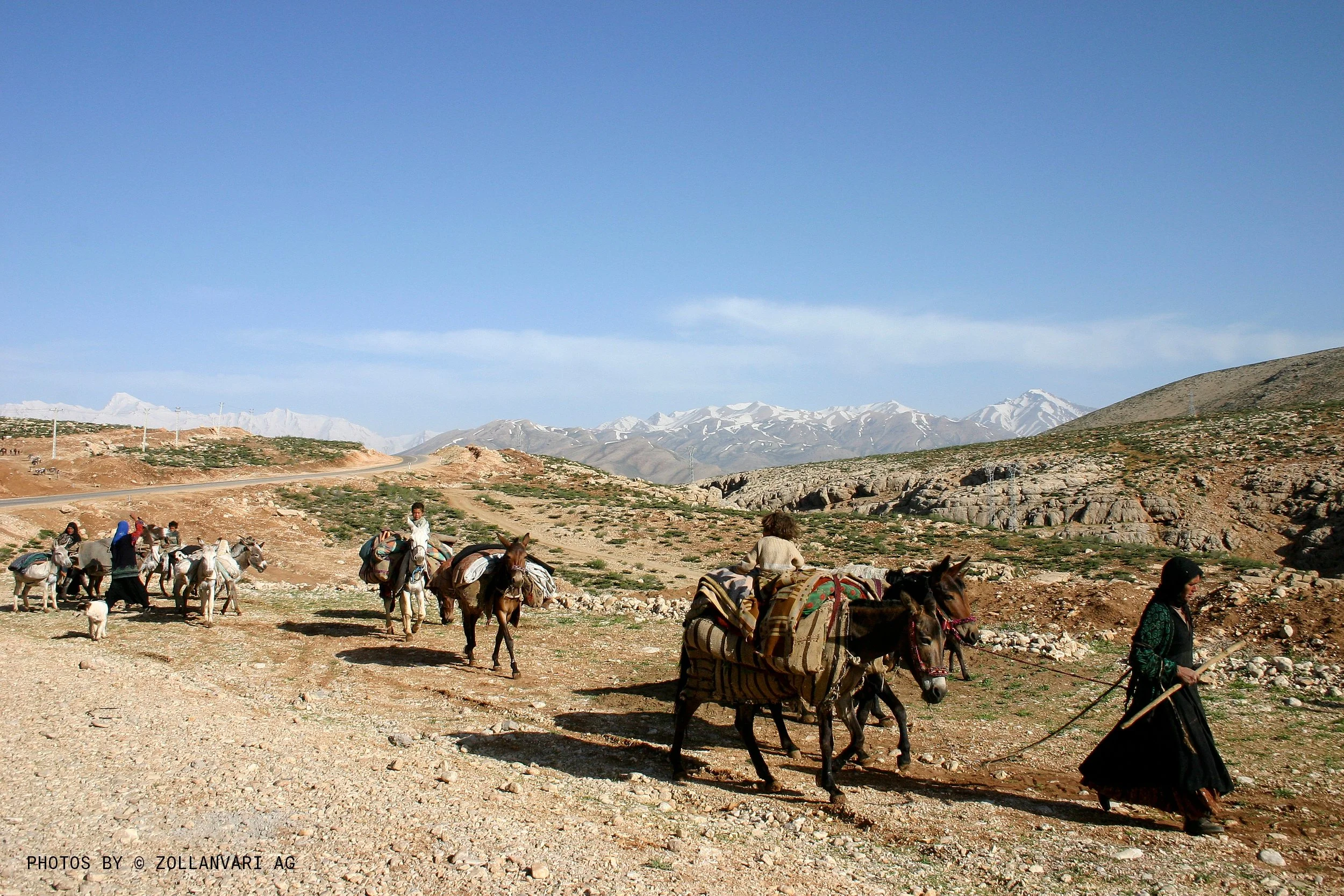
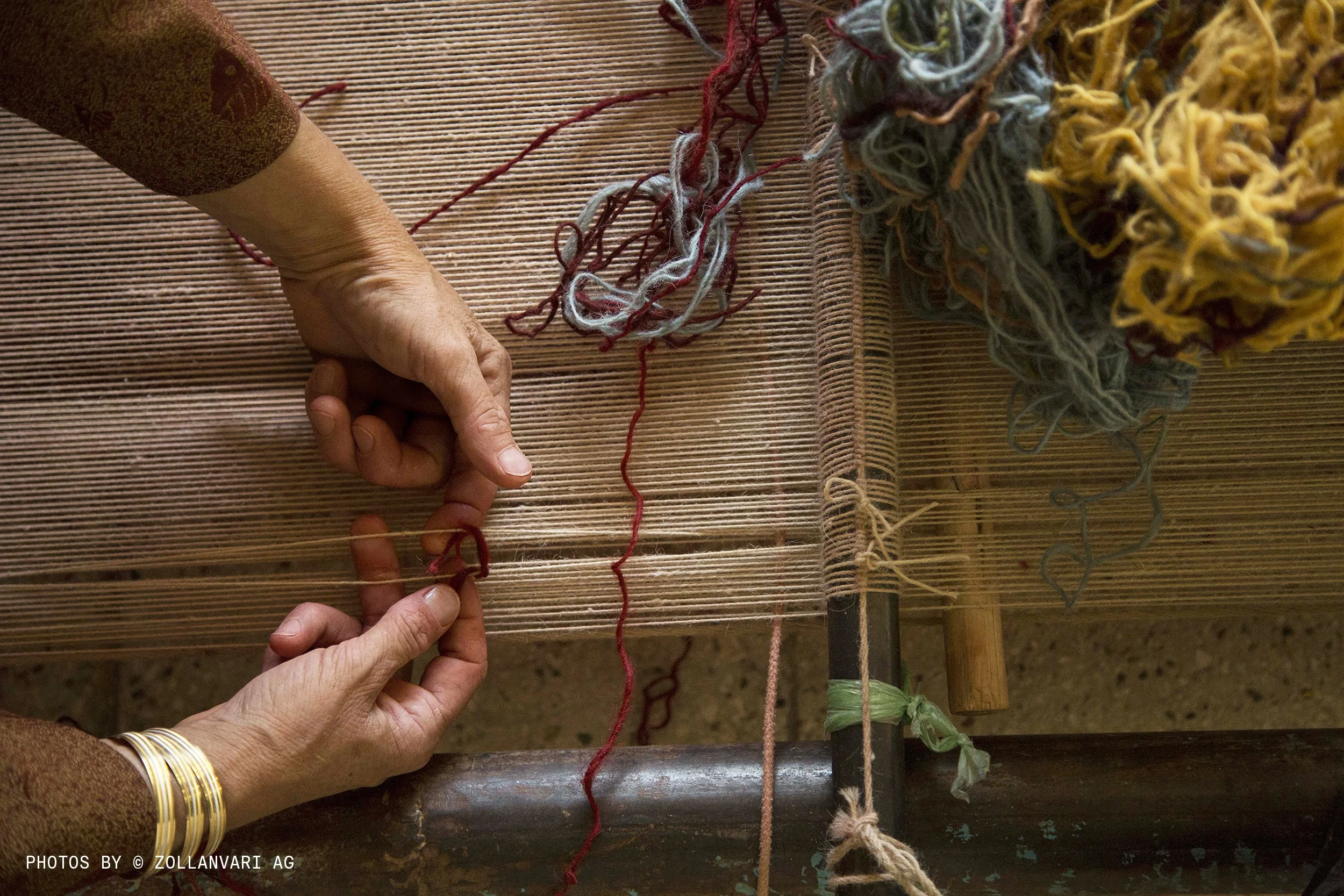
The carpets are produced by nomadic and semi-nomadic women from tribes such as the Afshar, Luri and Qashqai, who weave as part of their seasonal migration through the Zagros Mountains.
Working on mobile looms, these makers continue a lineage of craft passed down through generations, where weaving is embedded into daily life rather than confined to a fixed workshop.
The designs, developed by the Fischbacher 1819 studio, draw on Persian mythology and Silk Road history.
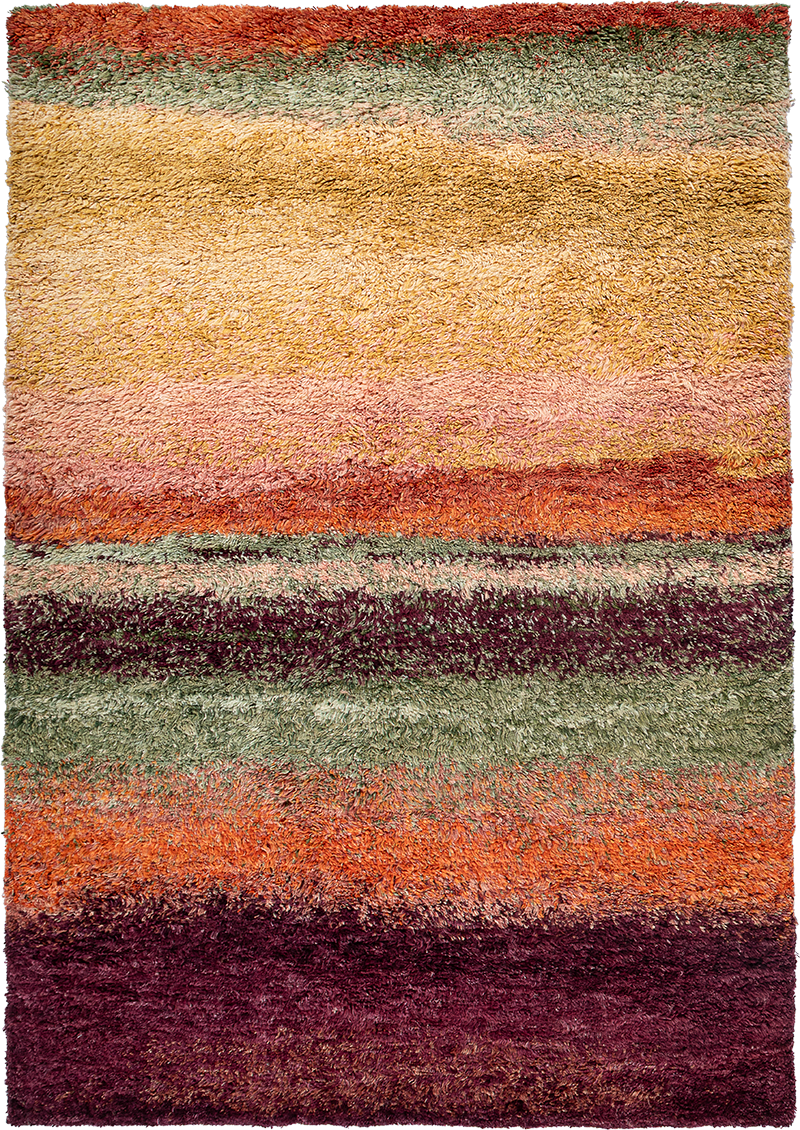
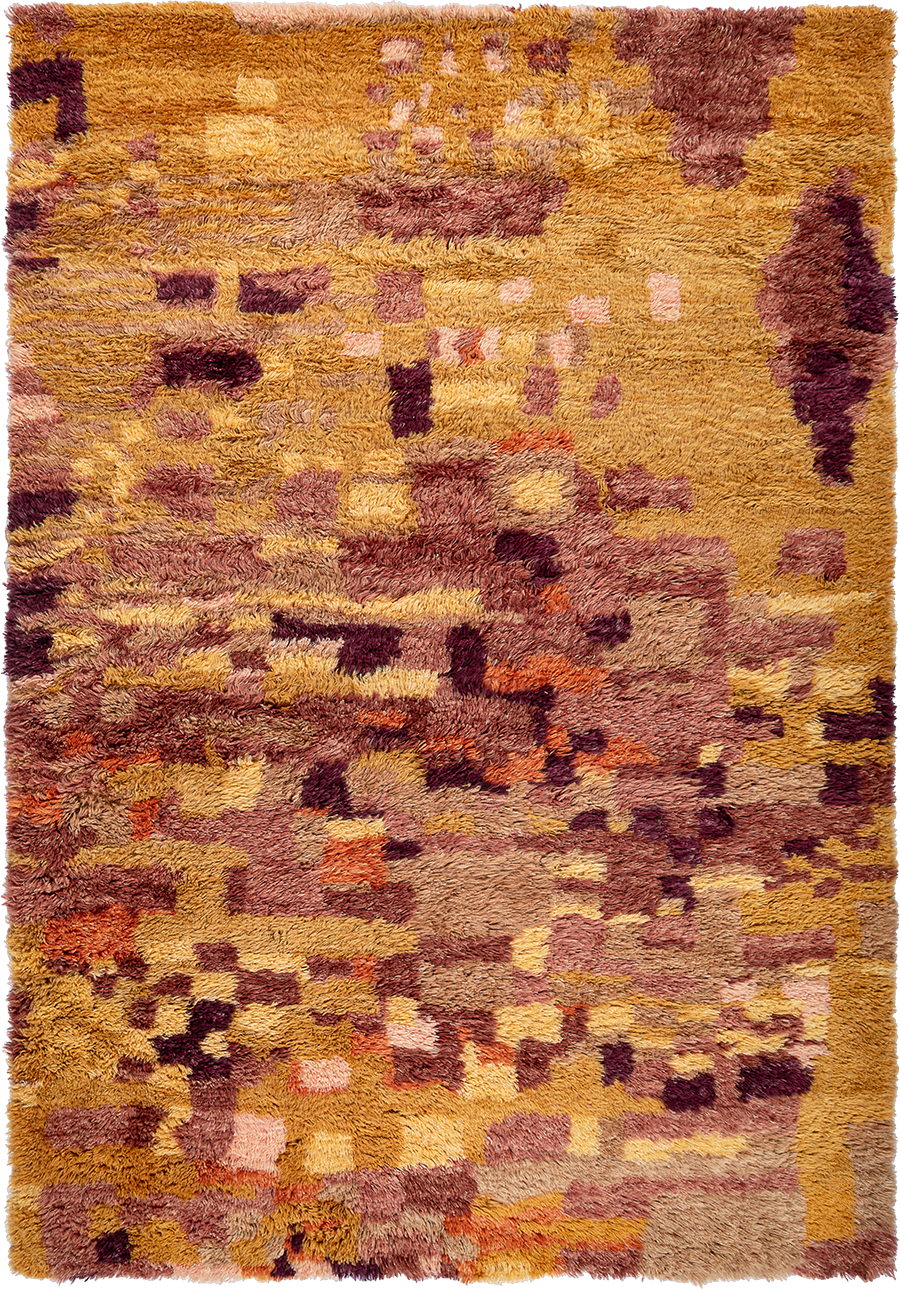
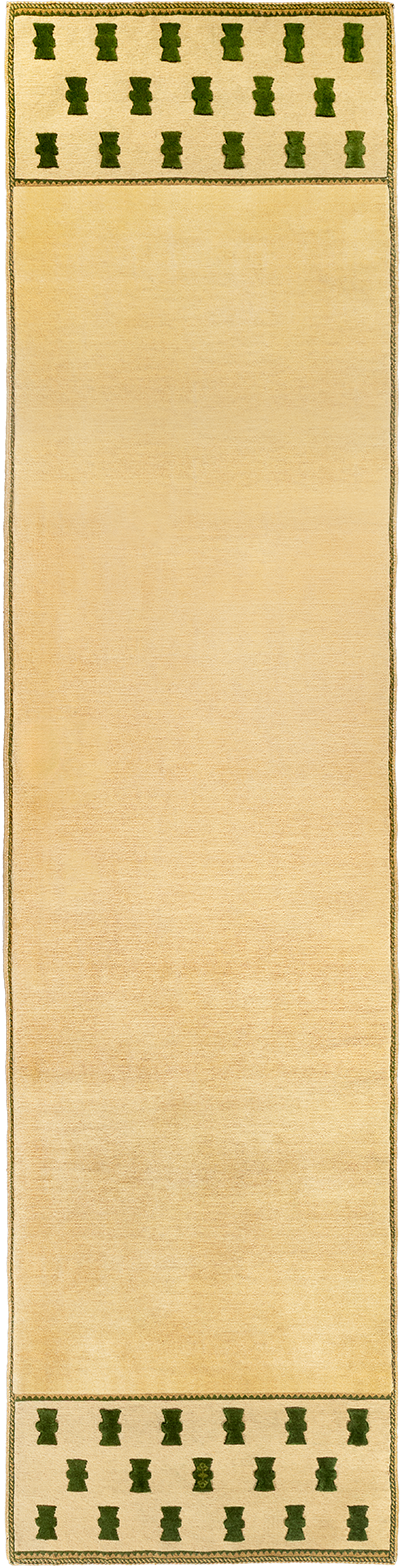
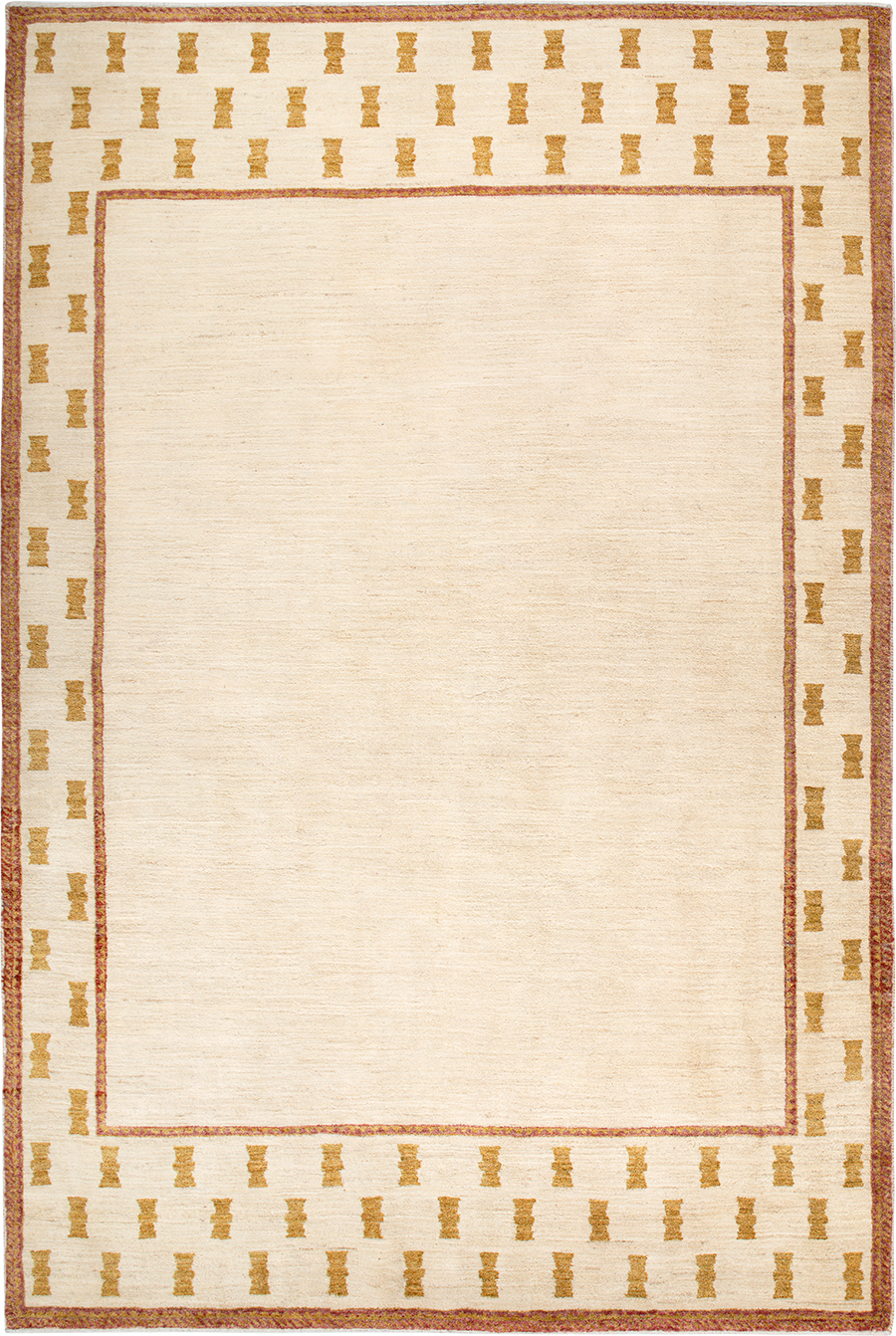
The four carpets—Kamila, Bejan, Jamshid and Kamran—reference figures from the Shahnameh and other cultural narratives, translating symbolic and historical motifs into a contemporary language suited to modern interiors.
Experience the collection